Category Archives: Books

Missing in Mexico

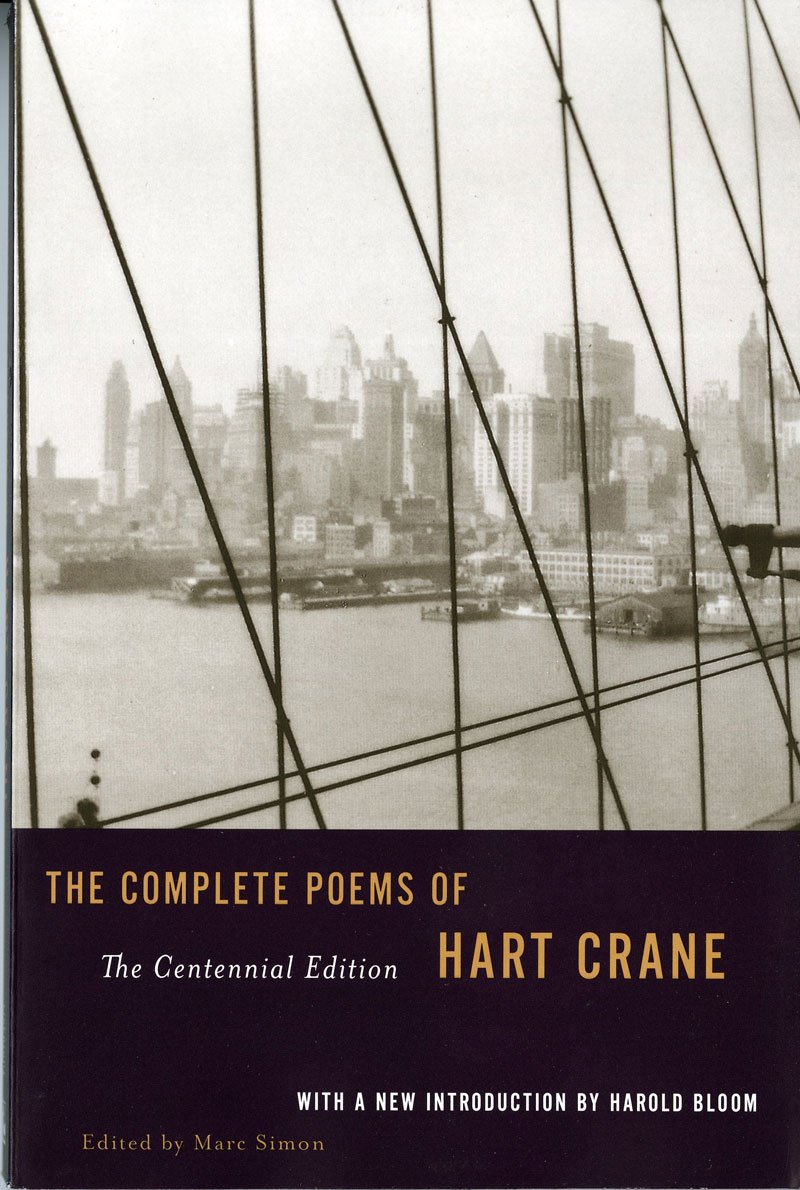
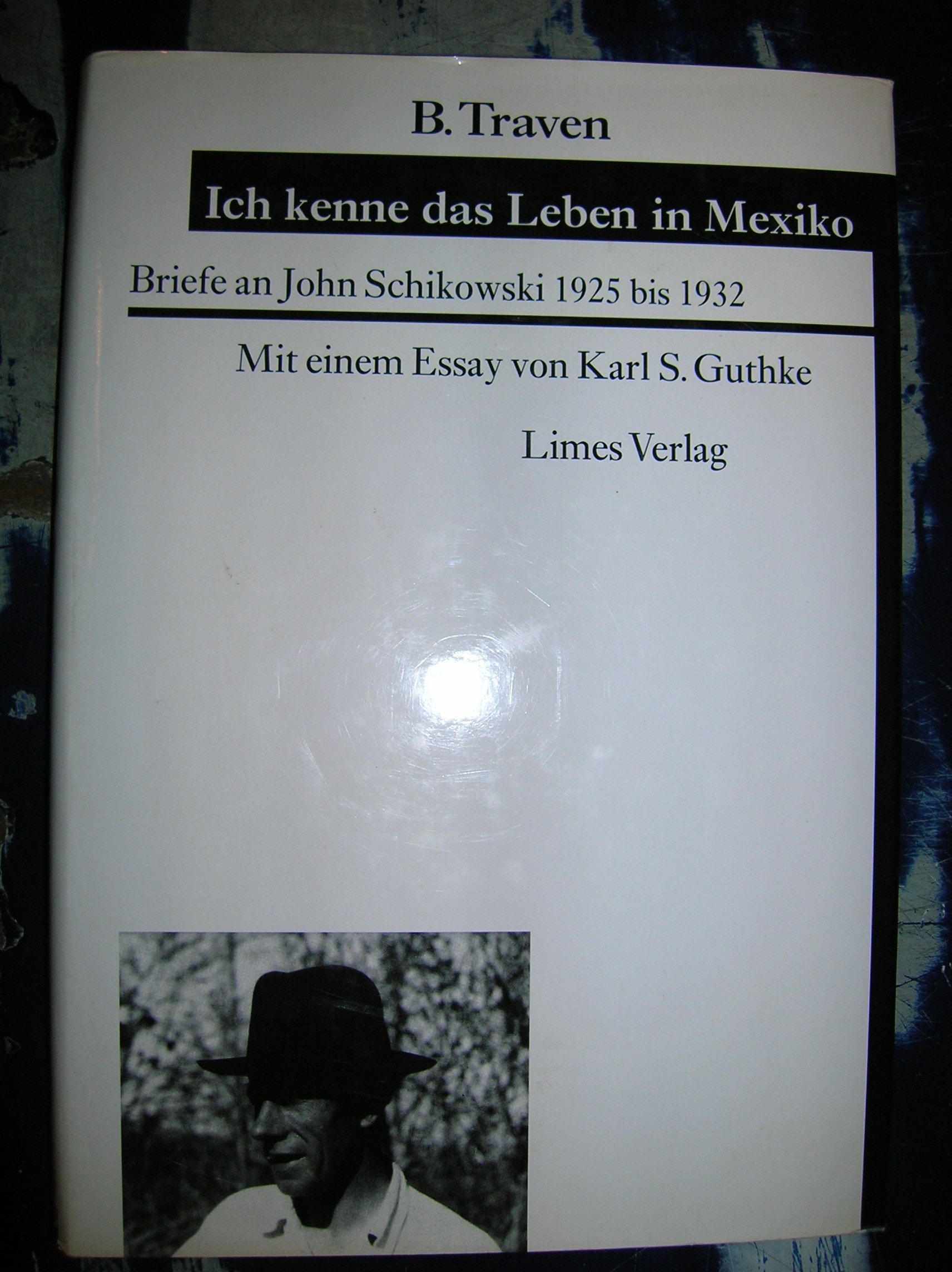
Ambrose Bierce, Hart Crane, Arthur Cravan, B. Traven / Ret Marut (or whatever his name was), – it seems that Mexico is the perfect place for authors who want to vanish without traces.


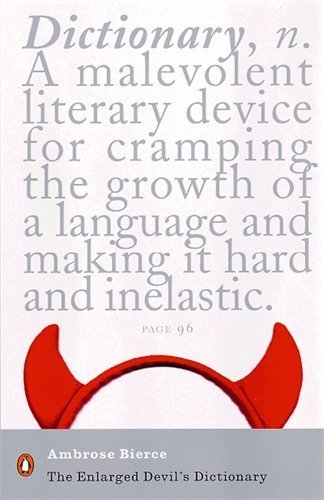
Ambrose Bierce: The Enlarged Devil’s Dictionary, Penguin Classics 2001

Carlos Fuentes: The Old Gringo, translated by Margaret Sayers Peden, Farrar, Straus and Giroux 2007 – a biographical novel about Bierce’s mysterious disppearence in Mexico

Works of Arthur Cravan, translated by A.G. O’Meara, CreateSpace 2014

The Complete Poems of Hart Crane, Centennial Edition 2001

B. Traven: Ich kenne das Leben in Mexiko. Briefe an John Schikowski 1925-1932, Limes 1982 (=I know about life in Mexico. Letters to John Schikowski 1925-1932) 

© Thomas Hübner and mytwostotinki.com, 2014-6. Unauthorized use and/or duplication of this material without expressed and written permission from this blog’s author and/or owner is strictly prohibited. Excerpts and links may be used, provided that full and clear credit is given to Thomas Hübner and mytwostotinki.com with appropriate and specific direction to the original content.

Winter is Coming

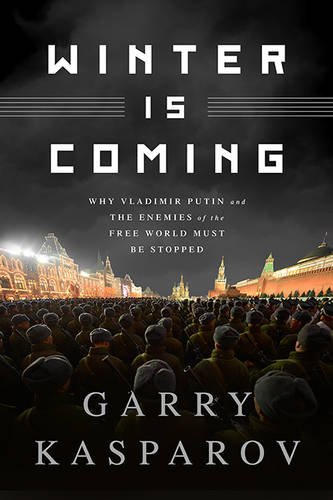
After I have finished reading Garry Kasparov’s Winter Is Coming, a remarkably uninformed, goofy and therefore dangerous book that exhibits its author’s utter ignorance of political theory and practice and in which geopolitics is dealt with at the simplicity level of a Hollywood C-movie (or a comic strip) in which Putin as the sole villain is wearing a black hat and the upright cold (and not-so-cold) warriors who listen to Mr. K. have to show him where the hammer is hanging, if necessary with brute force – after this annoying book, I quite enjoyed his old writing about a topic which he really understands. A little bit less unbearable and much better informed:

http://www.nybooks.com/articles/2010/02/11/the-chess-master-and-the-computer/

Garry Kasparov: Winter Is Coming: Why Vladimir Putin and the Enemies of the Free World Must Be Stopped, Public Affairs 2015

A review that highlights the shortcomings of the book in detail can be found here.

© Thomas Hübner and mytwostotinki.com, 2014-6. Unauthorized use and/or duplication of this material without expressed and written permission from this blog’s author and/or owner is strictly prohibited. Excerpts and links may be used, provided that full and clear credit is given to Thomas Hübner and mytwostotinki.com with appropriate and specific direction to the original content.

On literary translations – a respectful objection

Book bloggers and reviewers should pay much more attention to the work of translators of literary works as they usually do – I am no exception, although I have devoted some blog posts in the past to translation issues and will do so also in the future. Sometimes we bloggers and reviewers do not mention the translation at all, not out of bad intentions or disrespect, but out of habit. We all should make efforts to change that.

One of my favourite fellow bloggers, Lizzy from Lizzy’s Literary Life has recently brought a text to my attention which was published some time ago on the website of Words without Borders, the always interesting online magazine for international literature. As a part of their series On Reviewing Translations, three excellent and renowned literary translators (Susan Bernofsky, Jonathan Cohen, and Edith Grossman) submitted “Some thoughts for reviewers of literary translations“.

As much as I appreciate the work of translators (and these three are excellent!), and as much as I agree with the general tendency of this document, I disagree with their argument regarding the appraisal of translations.

A reviewer can only judge the quality of a literary translation when he/she knows the language from which the book is translated well; a translated book can be a smooth read and set in the most elegant prose, but if it renders the words and choices of the original author correctly is something I cannot know when I am not able to really compare it with the original. And let’s be honest – how many readers and reviewers are able to do that? Praising a translation for its elegant prose without knowing the original – I personally would feel like a cheat if I would do that.

The second disagreement I have is with the last point they make. Sorry, but a literary translation is not supposed to contribute to the literary life of the English (or any other) language, to our speech, art, and sensibility – a translation is supposed to render faithfully, and congenially a literary text into another language, not more and not less.

So, let’s pay more attention to the difficult and extremely important work of translators, but let’s be also honest. Sometimes we readers are not really able to know how well they did their job; and the same goes for the vast majority of reviewers.

Just my two stotinki…


© Thomas Hübner and mytwostotinki.com, 2014-6. Unauthorized use and/or duplication of this material without expressed and written permission from this blog’s author and/or owner is strictly prohibited. Excerpts and links may be used, provided that full and clear credit is given to Thomas Hübner and mytwostotinki.com with appropriate and specific direction to the original content.

News from Retardistan (3)

A bookstore in Sofia, at the table with the best and most-interesting newly arrived books. And what do I see? Hitler’s My Struggle, marked as a “Hit” – and just beside it a book by Primo Levi, a survivor of Auschwitz.

I am speechless.

© Thomas Hübner and mytwostotinki.com, 2014-6. Unauthorized use and/or duplication of this material without expressed and written permission from this blog’s author and/or owner is strictly prohibited. Excerpts and links may be used, provided that full and clear credit is given to Thomas Hübner and mytwostotinki.com with appropriate and specific direction to the original content.

Procrastinators, take this!

Bad news for the procrastinators among the authors of novels!

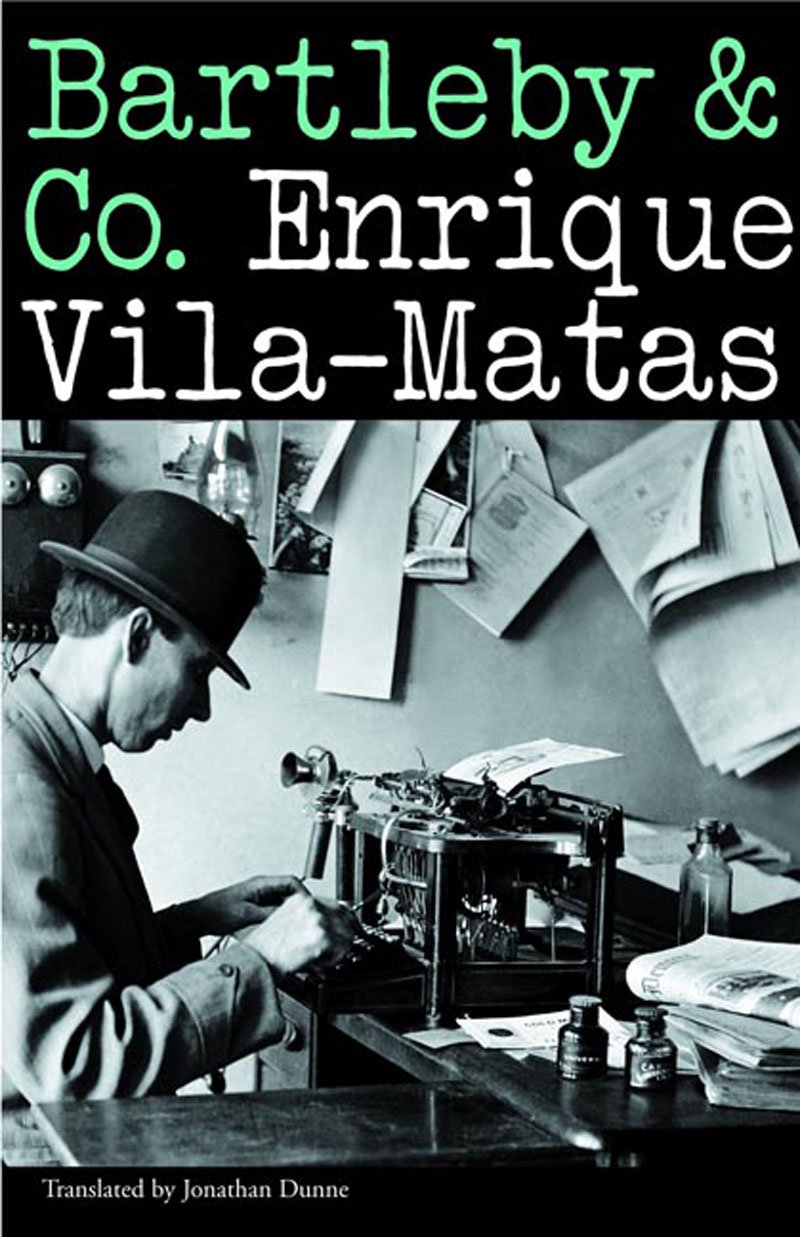
According to Enrique Vila-Matas’ very enjoyable book Bartleby & Co. (review to follow), Georges Simenon, the most anti-Bartlebyan author of French language, wrote 41 novels!

And what is even worse, procrastinators – this was his output not of a lifetime of writing. It was what he wrote in one single year: 1929.

Enrique Vila-Matas: Bartleby & Co., translated by Jonathan Dunne, New Directions, New York 2004

© Thomas Hübner and mytwostotinki.com, 2014-6. Unauthorized use and/or duplication of this material without expressed and written permission from this blog’s author and/or owner is strictly prohibited. Excerpts and links may be used, provided that full and clear credit is given to Thomas Hübner and mytwostotinki.com with appropriate and specific direction to the original content.

Hypnos

It is always interesting to read the blog posts of fellow book bloggers. So many interesting books would have been unknown to me, so many aspects of books I read would have been probably hidden to me if I wouldn’t read my blogger colleagues. And sometimes you feel compelled to pick up a book again you have read a long time ago, just because of a quote that reminded you how much had you enjoyed that particular book.

This is exactly what happened when I read a blog post by Anthony from Time’s Flows Stemmed. I will repost the full quote here:

“One day, during the war, I was asked to find an empty strip of land on the plateau de Valensole where Allied planes in difficulty could land. I find a large field that fits the bill but there’s a magnificent three-hundred-year-old walnut tree in the middle of it. The owner of the field was willing to rent it to me, but stubbornly refused to cut down the beautiful tree. I eventually told him why we needed the land, whereupon he agreed. We start clearing the soil around the base of the tree; we follow the taproot . . . . At the end of the root, we find the bones of a knight buried in his armour. The man must have been a medieval knight . . . and he had a walnut in his pocket when he was killed, for the base of the taproot was exactly level with his thigh-bone. The walnut tree had sprouted in the grave.”

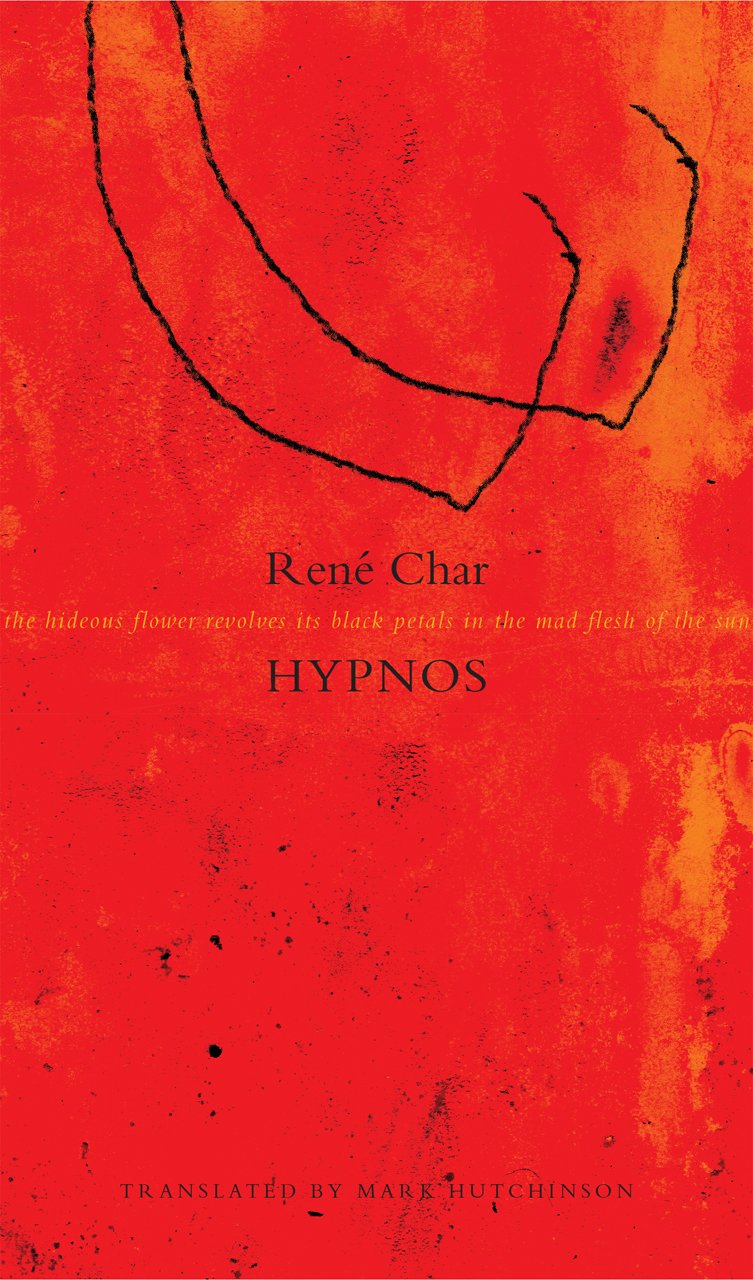
I can wholeheartedly recommend you René Char’s Hypnos, either in the original French or in the English edition by Seagull Books (the translation by Mark Hutchinson is excellent), one of the best publishers of translated fiction. And when you are at it, don’t miss Char’s excellent poetry, available in a new edition (The Inventors that contains also some prose texts) by the same translator and publisher as well!

René Char: Hypnos, translated by Mark Hutchinson, Seagull Books 2014

René Char: The Inventors, translated by Mark Hutchinson, Seagull Books 2015

© Thomas Hübner and mytwostotinki.com, 2014-6. Unauthorized use and/or duplication of this material without expressed and written permission from this blog’s author and/or owner is strictly prohibited. Excerpts and links may be used, provided that full and clear credit is given to Thomas Hübner and mytwostotinki.com with appropriate and specific direction to the original content.


Monsieur Ibrahim and the Flowers of the Koran

Paris, 1960. Moïse, or Momo as he is usually called, is a Jewish boy that grows up in a rather loveless household. Mother and an older brother, Popol, have left soon after Momo’s birth and left the baby-boy with the father, a lawyer, that is hardly ever communicating with his son (or anybody else), except for the cases when he is suspecting Momo to steal money from the funds from which he is supposed to buy the household supplies.

At 13, Momo is getting interested in the other sex, and so the short novella Monsieur Ibrahim and the Flowers of the Koran starts with him crashing his piggy bank and using the savings for a first visit at a prostitute. The real centre of the story however is the slowly developing friendship with Monsieur Ibrahim, the Arab of the predominantly Jewish neighbourhood, where Momo is buying (and sometimes stealing) his supplies.

While at the beginning they exchange usually only one sentence every day, over a longer period they become closer and the ever-smiling Monsieur Ibrahim, an elderly man who is rarely ever seen leaving his shop, is beginning to share his view of life with the boy who is looking for answers, answers that usually a father is supposed to provide if possible – but on the one occasion Momo is looking for a serious talk with his father, he realizes that his old man is a broken man, unable to even make sense of his own life. Something terrible happened in the life of Momo’s father, and it is only after Monsieur Ibrahim, a true Sufi, explains it to him at a later stage, Momo begins to understand that his twice being deserted by mother and father alike is not his own fault, of course. He is in a way suffering because he too is a victim of the holocaust – his life is tremendously affected by the consequences of this great crime, although he is born after WWII.

I don’t want to give away the whole story but rather dramatic developments are still ahead of Momo. At a bit below 70 pages in print, this book is a fast read, so you can easily go through it in a few hours.

A friendship between a Jewish boy and an Arab in Paris – I think the author realized that he had to tell us this story in the past tense. By placing his story in the early 1960s he makes this friendship more probable; at the same time this past is a bit like a lost Utopia where people that belong to different religions learn to accept each other and even become true friends for life. And on a more symbolic level – the protagonists’s name derive from Abraham and Moses – it is also a book about the fact that the followers of the big monotheistic religions share in the end much more than many of the legalistic interpreters of these cults want to know nowadays.

“Avec monsieur Ibrahim, je me rendais compte que les juifs, les musulmans et même les chrétiens, ils avaient plus de grands hommes en commun avant de se taper sur la gueule. Ça ne me regardait pas, mais ça me faisait du bien.” – (With Monsieur Ibrahim, I realized that the Jews, the Muslims, and even the Christians had more great men in common before they were hitting each other’s faces. It had nothing to do with me, but it made me feel good.)

Eric-Emmanuel Schmitt is a popular and very prolific French-Belgian author of bestsellers. I didn’t expect very much from the book but was pleasantly surprised. Since I decided to read again more French books in their original language, it was also a test if I can still do it – it went well and I will tackle also some longer and more complex works in French again in the future.

It is said that the book is inspired by Romain Gary’s The Life Before Us – I haven’t read Gary’s book yet and can therefore not comment on this aspect.

By the way, there is a movie with the same title with Omar Sharif in the title role – probably his best performance of his later career.

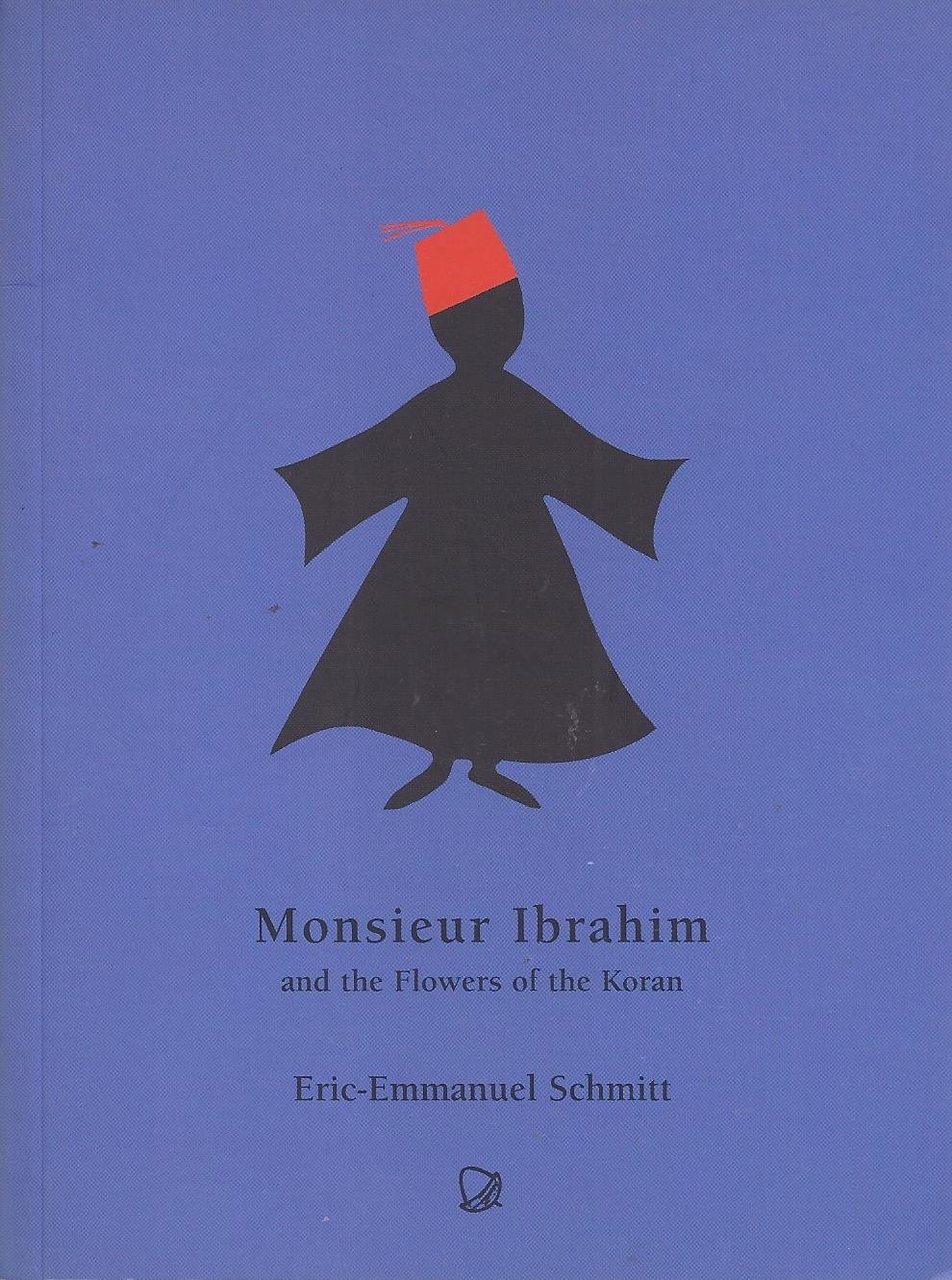
Eric-Emmanuel Schmitt: Monsieur Ibrahim and the Flowers of the Koran, translated by Marjolijn De Jager, Acorn 2004; Monsieur Ibrahim et les Fleurs du Coran, Albin Michel 2014

The above quote from the French edition is translated by Thomas Hübner.

© Thomas Hübner and mytwostotinki.com, 2014-6. Unauthorized use and/or duplication of this material without expressed and written permission from this blog’s author and/or owner is strictly prohibited. Excerpts and links may be used, provided that full and clear credit is given to Thomas Hübner and mytwostotinki.com with appropriate and specific direction to the original content.

To Kill a Mockingbird

Atticus Finch, the main character of To Kill a Mockingbird, is without doubt one of the most likeable and remarkable literary heroes you will come across in 20th century fiction. Since the novel is very popular (I avoid the word bestseller with its slightly derogative connotation), and most of you will have read the book, I will be rather brief regarding the synopsis.

Scout, the narrator of the story and her older brother Jem grow up in a small town of the Deep South of the 1930s; it is the time of the Great Depression. Atticus, their father is a widowed lawyer with old family ties in town and the whole region.

While a big part of the book deals with a seemingly normal childhood with a good-natured, if somewhat unorthodox father – his children call him by his first name, and he is giving them a lot of freedom – and the small and big adventures that are typical for this age and social surrounding, a really dramatic event takes place that will have a lasting effect on the whole town, and particularly on the Finch family: Tom Robinson, a young man is arrested on rape charges – and Atticus is appointed to be his lawyer. Robinson is a black man, a fact that brings out the not-so-subtle racism of a big part of the local population. And the children of the “nigger-lover” Finch – he is indeed only doing his duty as a lawyer – have to suffer also under this situation. While Atticus teaches his children to never use violence to defend themselves, but their heads, justice is prevailing. No, not justice – the law…and even after the case is closed, the dramatic events triggered by it are not yet at their climax.

To Kill a Mockingbird has of course quite a lot of suspense elements; the court scenes are very dramatic and revealing. The fact that the arrested man is obviously not guilty and the “victim” and the main witness are liars doesn’t prevent the jury from exercising a case of “race justice” that will prove to be fatal for the accused. It is still breath-taking to read how racist the majority of people in the 1930s were (is it different today? – and I am not only talking of the Deep South); but it is also conveying a very humane message: sometimes you just have to do what is right, even when you know that you will lose.

Atticus Finch is standing up for his humanistic principles, even when life would be much more comfortable for him and his children if he would compromise and not defend this man. But in his own eyes, he would lose his dignity and his role as an example to his children if he would. That he accepts this and all the consequences without becoming bitter, makes him such an outstanding literary hero. One of the lessons Atticus is teaching to his children is to always try to “walk for a few minutes in the shoes of the others” – the gift of empathy is what makes Atticus different from some of the other folks in the novel. Although, to be fair, he is not completely alone in his fight for justice. And even those who antagonize him in this particular case have as it turns out such a respect for him as a person that they re-elect him to the local constituency after the court case.

One of the particular strengths of this book is that it succeeds in what Atticus calls “walking in the shoes of others”. In the framework of the novel, we get to know a wide range of characters, black and white, respected and despised, comparatively wealthy and very poor, people with racial prejudices and a few without – but Harper Lee has the gift to make us readers look at them with understanding, even sympathy. The woman who accuses Robinson of the crime is a terribly lonely person and even her father who is the only really bad person in the novel is more a victim of his low social status and it seems he is acting more out of frustration for being looked upon with contempt by practically everyone (except Atticus Finch) than out of a criminal character.

Lee’s story is so convincing because she introduces a wide range of characters that are in itself already very interesting: Dell, the friend of Jem and Scout who comes always for summer holidays – he is a good boy and loyal friend but also obviously a story teller (I avoid the word liar); Cal, the black cook who reigns the kitchen with sternness but also a big heart and who is the female presence in the house that is sometimes a counter-balance to the laissez-faire attitude of Atticus in many respects; the judge, the sheriff, and the newspaper editor – three principled men who in one way or the other support Atticus in a difficult situation; Aunt Alexandra who goes through a process of development while the story unfolds; Maude, a friendly neighbour who treats the children without the condescension that is so frequent among grown-ups; Mrs Dubose, a wicked old woman with whom the children form against all odds (and not completely voluntarily) a bond; the black people with whom the kids are mingling freely and not to everyone’s delight; the children itself that grow not only physically but also as individuals; and last not least Arthur “Boo” Radley, a man who has been confined to home by his family for decades and about whom the children have the strangest ideas – a kind of demon as they imagine him, but as it turns out just a poor soul with a surprisingly good heart, who makes his personal appearance rather late in the book, but in a moment when the children really need him.

All in all, this a very good book with a timeless, very humane message and likeable characters that makes you think about what is valuable in life, a book about how important empathy is – and that the only way for children to learn to stand up for themselves and others is not by teaching moral principles, but by living them in everyday life even when it is difficult for you. What else can you expect from a work of literature?

A book I can highly recommend, not only for young readers.
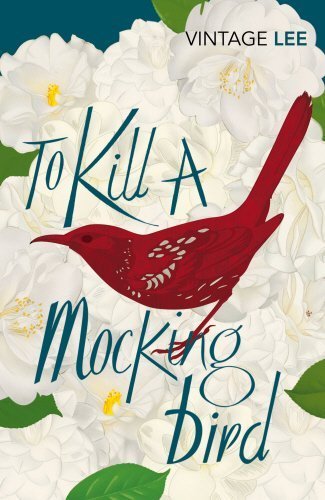
Harper Lee: To Kill a Mockingbird, Vintage Classics

Other Reviews:
A Guy’s Moleskin Notebook 

© Thomas Hübner and mytwostotinki.com, 2014-6. Unauthorized use and/or duplication of this material without expressed and written permission from this blog’s author and/or owner is strictly prohibited. Excerpts and links may be used, provided that full and clear credit is given to Thomas Hübner and mytwostotinki.com with appropriate and specific direction to the original content.
Котката на ШрьодингЕР в медиите

Ето интервюто на Силвия Чолева с Милена Николова и Виктор Мухтаров за Котката на ШрьодингЕР в БНР.

milena6

Photo: Anne Meurer

И тук намерите интервюто на Стефан Кръстев с Милена за BG Север (Плевен).

Photo: Chris Enchev, Book Design and illustrations: Victor Muhtarov, Tita Koicheva, Sava Muhtarov
© Photo Anne Meurer 
© Thomas Hübner and mytwostotinki.com, 2014-6. Unauthorized use and/or duplication of this material without expressed and written permission from this blog’s author and/or owner is strictly prohibited. Excerpts and links may be used, provided that full and clear credit is given to Thomas Hübner and mytwostotinki.com with appropriate and specific direction to the original content.
Представяне на книгата Котката на ШрьодингЕР!

Не забравяйте: сряда 19.00, +това, Ул. Марин Дринов 30, София – представяне на книгата Котката на ШрьодингЕР! Очакваме ви! 

© Thomas Hübner and mytwostotinki.com, 2014-6. Unauthorized use and/or duplication of this material without expressed and written permission from this blog’s author and/or owner is strictly prohibited. Excerpts and links may be used, provided that full and clear credit is given to Thomas Hübner and mytwostotinki.com with appropriate and specific direction to the original content.