"Origin, resume - all nonsense! We all come from some small town Jüterbog or Königsberg and in some Black Forest we will all end" (Gottfried Benn)
Therefore just a stenogram: Thomas Huebner, born in Germany, studied Economics, Political Science, Sociology, German literature, European Law. Consulting firm in Bulgaria. Lived in Germany, Bulgaria, Albania, Egypt, Turkey, Syria, Indonesia and Jordan. Now residing in Prishtina/Kosovo. Interested in books and all other aspects of human culture. Traveler. Main feature: intellectual curiosity
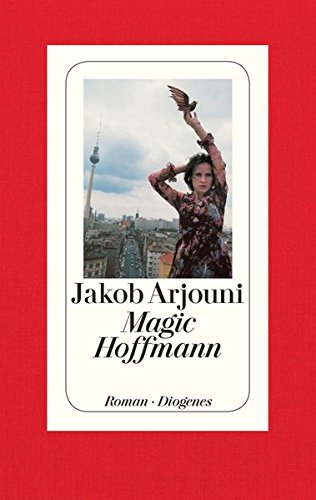
West Germany, a short time before the fall of the BerlinWall. Fred, Nickel and Annette are three young people from the South Hessian provincial town of Dieburg. They dream of the big wide world, more specifically of Canada. They do not have any real ideas about this distant country, only that there everything is much nicer and more interesting than in their godforsaken hometown. Fred “Magic” Hoffmann, the one of the three who has a reputation of being a prankster, wants to plant an apple orchard there and produce apple wine (Eppelwoi), the signature drink of their home region – a project that seems almost as realistic as growing pineapples in Alaska.
What distinguishes this youthful dropout fantasy from many others is simply that the three go one step further than many peers in a similar situation. They are planning a bank robbery, which should give them the necessary seed capital. And they are not stopping at the planning phase: astonishingly, their robbery of a bank branch in a neighboring village is successful; the 600,000 marks, are not a gigantic sum, but enough to build an existence in Canada. But Fred gets caught – planning and executing the bank robbery is dealt with in the novel in a few lines only – and sentenced to four years in juvenile jail, which he does with stoic patience and without betraying his partners in crime – finally he has one goal: when he gets out, his share of 200,000 and his friends are waiting for him, and then: off to Canada! (After all, he uses the prison time to teach himself some English, which he then uses in every appropriate and inappropriate opportunity in his dialogues.)
How great is his surprise when his friends do not pick him up at the prison gate and their postal addresses turn out to be no longer correct. It must have come something in between and the friends also did not want to make themselves suspicious and therefore had little contact with Fred during his detention. Finally, the unsuspecting Fred finds out that his friends are now living in Berlin and he is soon on his way to meet them there. But in Berlin he experiences one surprise after another, and most of them are not at all pleasant …
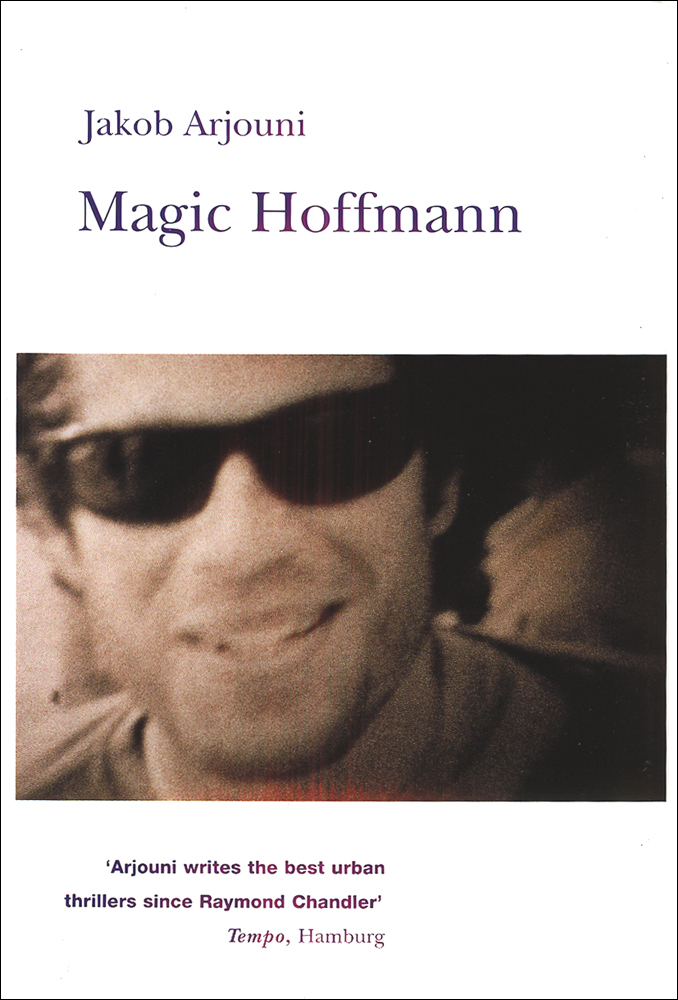
We are in the novel Magic Hoffmann (that’s the title in the German original) by Jakob Arjouni, who has become famous for his books about the German-Turkish private detective Kemal Kayankaya. If you expect Kemal to appear here as well, you will be disappointed; however, what works quite similar to the Kayankaya novels is Arjouni’s art of developing a character, his often witty dialogues, his eye for the absurdity of certain things and situations, and his unsentimental view of Germany in the late 1980s and early 1990s, his seemingly cynical remarks and his sympathy for his main character, who, despite everything, is quickly taken to the heart of the reader.
The book is also largely a Berlin novel – whereby the city’s description pleasantly differs from many works that want to sell us the old-new German capital as the navel of the world. When Fred comes to the city for the first time, he is quite disappointed: Berlin looks the same way as Frankfurt, Darmstadt or Wiesbaden, except that the Berlin people obviously do not understand Fred’s special kind of humor; Berliners are regularly rude and unfriendly in this novel, a fact with which Fred has difficulty to cope with. And then there are things that are completely new to Fred: the reunited Germany, the frequent talk of the nation, the anti-Semitism, the presence of violent neo-Nazis in the subway, the police, who are not too eager to do their job and to protect the law, Russians who are doing all sorts of illegal business behind a legal cover, petty criminals and extortionate taxi drivers to watch out for, young people like Nickel and Annette, who think of themselves as progressive and hip, but who behind this façade, often have reactionary opinions and extremely conservative ideas about their aims in life. And everywhere it smells bad and the sky is gray in this city. Berlincan not really impress a Magic Hoffmann. Maybe it’s because he’s just passing through.
He realizes that his friends have changed a lot.Nickel studies to become a teacher, he has a family and the money of the robbery well-hidden in an investment scheme in Luxembourg. Fred has a lot of patience with him, but then he has to use some serious pressure to get his share. And Annette works on film projects that never get beyond the planning and discussion stage, otherwise she lives in her bubble of pseudo-artists who are looking down on someone like Fred with contempt; it is telling that both of them are very surprised when Fred asks them when they will be leaving for Canada, since neither for Nickel nor for Annette, this has been ever a serious plan.
But luck seems to embrace Fred nevertheless. He encounters the freaky dancer Moni, who does not bother with his completely unfashionable clothes, his strange look or his crime “career”. The two are getting closer and Fred is forging plans for a life together with Moni in Canada before fate is striking mercilessly.
A great novel in my opinion: it has a high pace, interesting characters and dialogues, it has wit and it allows the reader to take an unusual but very revealing look at the reunited Germany. Unusual because the reader identifies very quickly with the main character Fred Hoffmann. Fred is a modern literary relative of Eichendorff’s Good-for-nothing; he is an outsider for various reasons: bank robber, small town boy, traveler, a person without exaggerated artistic or intellectual ambitions, he is everything that would be described in Berlin as the opposite of hip. But unlike his fake friends, Fred has remained true to his dreams and ideals, with a mixture of naivety and mother wit that makes him very likeable.
The German edition of the novel I read has almost 300 pages; I read the book in one sitting. Highly recommended! What a great loss that Jakob Arjouni died relatively young!
Jakob Arjouni: Magic Hoffmann, Diogenes 2012; Magic Hoffman, Old Castle 2000, No Exit Press (Tr. Geoffrey Mulligan)
Alfred Döblin has left a huge literary oeuvre: novels, stories, essays, autobiographical and literary theoretical writings, and more. His importance as a writer has been emphasized by many of his contemporaries (Brecht, Benn, Tucholsky, Feuchtwanger to name a few) and some authors of the post-war generation. His work is available in German in several editions, including two paperback editions. In 1979, Günter Grass donated the Alfred Döblin Prize, which has become one of the most important literary prizes for German-language literature, and in 1984 the International Alfred Döblin Society was founded, which is intensively involved in the exploration of Döblin’s work.
Nevertheless, Döblin is not a very popular author in the German-speaking countries. The mostly read work is undoubtedly Berlin Alexanderplatz, a book that is frequently compared with Ulysses or Manhattan Transfer in terms of its literary importance. Despite this fact, it is a book that is not easy to digest, and it is hardly suitable for a cozy reading in bed. The impression this book left on many readers may have prevented them from discovering other translated works of this author. This lack of interest also applies to Döblin’s reception outside the German-speaking countries; only a fraction of his work is available in translations and here, too, at most Berlin Alexanderplatz receives some attention. (Translated works available in English are: The Three Leaps of Wang Lun, November 1918, Tales of a Long Night, Men without Mercy, Journey to Poland, or Destiny’s Journey; Manas and Mountains Oceans Giants will be released in English translation in 2020 by Galileo Publishers.)
In his text On My Teacher Döblin Günter Grass addressed in 1967 some of the reasons why Döblin could not really catch up with the German reading public after the Second World War:
“Döblin was not trendy. He was not popular. He was too catholic to the progressive left, too anarchic to the Catholics, he denied solid theories to the moralists, he was too inelegant for the night program, he was too vulgar for the school radio; neither the ‘Wallenstein‘ nor the ‘Giant‘ novel could be digested easily; and the emigrant Döblin dared to return home in 1945 to a Germany that would soon devote itself to consumerism. As for the market value: the asset Döblin was and is not listed on the literary commodity market.” (Translation T.H.)
And for many, one might add, this converted Jew, who returned from exile to Germany wearing a uniform of the French occupiers, was simply suspect – one who didn’t belong here and whose presence was rather embarrassing, for reasons that have also to do with a deep-rooted anti-Semitism that didn’t disappear just like that after 1945 but that only went into hiding for a while.
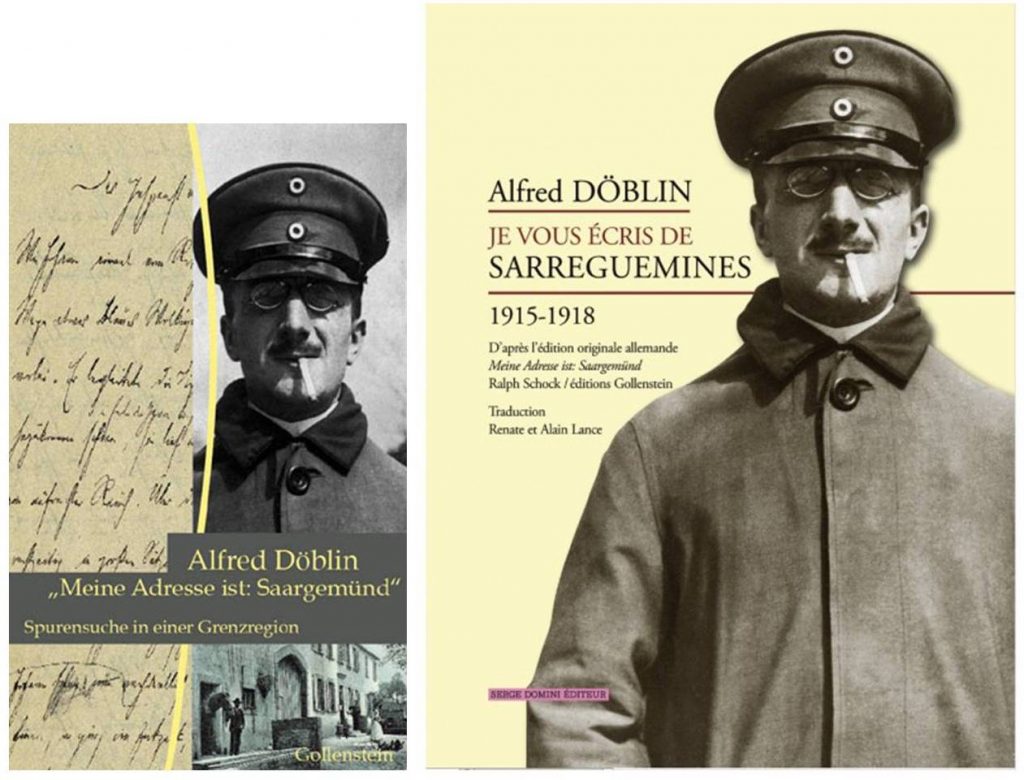
This year, Berlin Alexanderplatz is the subject of a readalong in the context of German Literature Month and I hope that this will increase the interest in Döblin. Personally, I have decided to discuss another work, which seems to be rather marginal, but which nevertheless makes it possible to contribute to the better understanding of this author.I am talking about the book “My address is Sarreguemines” (“Meine Adresse ist: Saargemünd“), a work that explores Döblin’s significant relationship with the French-German border region near the Saar, with Lorraine and the Saarland.(The book is available in German, as well as in a French translation.)
Döblin, who had a doctor’s practice in Berlin, volunteered for military service in 1915 and was assigned to Sarreguemines. The French town of Sarreguemines is now located directly on the German-French border, but between 1871 and 1918 Lorraine was part of the German Reich (it had been annexed after the victory in the Franco-German War in 1870/71). The volume “My address is: Sarreguemines”, which collects various texts that illuminate Döblin’s relationship to the German-French border region, begins with letters from this period (1915-1918), which he sent from Sarreguemines and later from Hagenau in Alsace (he had been transferred there briefly before the war after a conflict with a superior over the provision of food to the patients.)
It is interesting to see how Döblin’s attitude regarding the war changed over time. While he hailed in an early letter – although already ironically broken – a victory at the eastern Front, he becomes more and more disillusioned and skeptical about the war and its futility as the slaughtering is dragging on for years. Privately he may have spoken even more openly but due to the existing censorship Döblin was not elaborating on this topic in his letters from that period.
Most important for the reader, who is interested in Döblin’s literary work, are in the period between 1915 and 1918 his letters to Herwarth Walden. The journalist Walden – he was first married to Else Lasker-Schüler – was a close friend of Döblin since their youth. At the same time Walden was the publisher of the magazine Sturm, which became the preferred publication platform of many expressionist and modernist authors. In addition, Walden operated the Sturm Gallery and under difficult conditions made a contribution to the popularization of many expressionist artists that can hardly be underestimated. (Ernst Ludwig Kirchner, for example, exhibited at the Sturm Gallery, illustrated the first book by Döblin and later also painted his portrait).
Döblin, at the time a published (two volumes with stories and numerous contributions in magazines), but moderately successful author, used the Sturm during this time as the most important organ for the publication of his stories. With Walden he talks about book projects – his first novel The Three Leaps of Wang Lun and another book with stories are being published during this period, two more novels are almost completed or in preparation – but also occasionally on reading experiences that are often disappointing (e.g. he expresses complete disappointment over a novel by Heinrich Mann). In his letters to Walden, Döblin also describes his difficulties with his literary work in Sarreguemines. This is partly due to his work as a doctor – Verdun is about 100 km away, and the cannon thunder from there can be heard in Sarreguemines. For the work on a historical novel (Wallenstein will be published after WWI), that requires access to secondary literature, Sarreguemines is not a good location; only rarely can he get some of the books he needs urgently from the library in Strasbourg.
In addition, Döblin has financial worries (which get better later); he suffers from cramped living conditions, narrow-minded colleagues and superiors and his health is not always the best. Although he is vaccinated, he is contracting typhus and has severe necrosis, which necessitates several stays in German spas. As if that were not enough, Döblin also has a fling with one of the female doctors at the hospital; the young lady is being transferred to Berlin shortly before the arrival of Döblin’s family. (Walden, to whom Döblin confides these details, receives the Berlin address of the lady from his friend, with the cryptic remark that this may come in handy for him one day…)
Döblin’s feeling regarding the arrival of his wife and children who will live with him, are ambiguous. He is happy to have his growing family around him (his wife will bring their two sons to Sarreguemines, a third son will be born there, a fourth son in the post-war years; Döblin also has a son from an extramarital relationship whom he secretly supports financially). On the other hand, the noise at home, the frequent quarrels with his wife are obstacles that lead to a slowdown of his literary production. (Döblin’s marriage to his wife Erna, a trained physician, was extremely turbulent, but it lasted until his death. Döblin’s propensity to marital infidelity may have been one of the reasons for the frequent quarrels of husband and wife.) The situation only improves after the family moves to a slightly bigger flat in which Döblin is “smartly” (as he writes to Walden) arranging a spatial separation: while he is living upstairs, wife and children stay downstairs and don’t disturb him when he is working or needs a rest.
A little peace and relaxation Döblin finds during this time on occasional visits to Saarbrücken. By far the largest city in the region, it offers the urban life, a more open, cultured atmosphere compared to the Lorraine garrison town of Sarreguemines that he misses so much. However, the confrontation with his superior also takes place in Saarbrücken, which ultimately leads to his punitive transfer to Haguenau. (This event happens coincidentally at exactly the spot where the hospital in which I was born is located.)
After the end of the war and demobilization Döblin returns to Berlin (he later used these experiences in the first of his four-volume work November 1918). The twenties and early thirties are the time of Döblin’s greatest productivity and success as an author; he and his family can for the first time live without financial worries, if only for a few years.
Döblin didn’t burn the bridges to the Saar region, which was from 1920 to 1935 not a part of Germany but under International Administration by the League of Nations. He corresponds with the essayist Arthur Friedrich Binz from Saarbrücken who is publishing in 1924 an essay Alfred Döblin und das Saarland (Alfred Döblin and the Saarland); Binz mentions also that two of Döblin’s wartime stories are playing in the German-French border area: Der Geist vom Ritthof (The Ghost of the Ritthof) und Das verwerfliche Schwein (The reprehensible Pig), two grotesque ghost or horror stories still written in the spirit of Expressionism. (The essay of Binz is reprinted as well as the two stories by Döblin in the book.)Döblin also wrote at least two more texts, which were then published in Saarland media. And he campaigned for the publication of the first novel by Anton Betzner, an author that lived at the Saar region for many years; the then still very young author proved later to be a very important supporter of Döblin after WWII.
A drastic deterioration in living and publishing conditions began for Döblin in 1933. As a Jew and leftist, he had to flee; in France he worked for some time – together with the scholar Robert Minder, a professor for German literature – in the Ministry of Information (Minister: Jean Giraudoux). After the invasion Döblin had to flee again under adventurous circumstances. Via Portugal he finally arrived in the USA, where he was initially working as a scriptwriter at MGM; later, he and his family lived on the financial support of various aid organizations. Döblin’s conversion to Catholicism also falls into the period of his American exile.
In 1945 Döblin returned to Germany via France; he entered his country of birth as a French citizen and in the uniform of a French Colonel. Firstly in Baden-Baden and later in Mainz, he worked for the French Military Administration on the reconstruction of literary institutions; he also founded the literary magazine Das goldene Tor (The Golden Gate), which was to play an active role in the democratic transformation of Germans; it became a platform for new talents and authors that had remained in Nazi-Germany but had kept a distance to the regime; also exiled authors were published. Döblin was supported in this task by Anton Betzner, whom he could win as editor for the magazine. In addition, Döblin completed various of his own works. Radio broadcasting became an important publication channel for him. The letters to Betzner from the years 1946-1953 that are included in the reviewed volume reflect the editorial work in the magazine Das goldene Tor. But the letters show also an increasing disappointment of Döblin: despite Betzner’s efforts and publishing contacts Döblin can not secure a publishing contract for his Hamlet novel for many years; and he despairs more and more with the restorative tendencies in the post-WWII West Germany. (Betzner proves in the decades to come one of the few who on many occasions promoted Döblin’s literary oeuvre by essays and radio features.) Only occasionally Döblin’s sharp wit seems to be revived. But these last years are also a period of various health ailments for Döblin – he has an infarct and is struggling with progressive Parkinson’s disease. After West German President Theodor Heuss (himself a writer and author of several essay collections) intervenes in favor of Döblin in the financial compensation proceedings, the author finally receives a settlement, and is able to buy a tiny apartment in Paris. There he lives with his wife – apart from frequent visits of his friend Robert Minder – almost completely isolated from 1953 on. Döblindies during a spa stay in Emmendingen in 1957, already forgotten by most of his contemporaries. His widow will take her life a few months after his death.
Alfred Döblin and his wife are buried in the small village of Housseras in Lorraine (approximately 500 inhabitants), where his son Wolfgang (Vincent Doblin is the French version of his name), who died in tragic circumstances, is also buried. Döblin, who after his return to Europe found out that several of his closest relatives had been murdered in Auschwitz, had lost contact with his son Wolfgang (Vincent) during the war, who served as a soldier in the French army. Wolfgang, who was a highly gifted mathematician, had some conflicts with his father in his youth, who had always hoped during the time of the separation during the war to reconcile with his son one day. But this reconciliation could no longer take place, Wolfgang had died during the war, as the shocked parents learned in March 1945. Afterwards Alfred Döblin apparently suffered greatly from feelings of guilt. Döblin and his wife decided to be buried later at the side of Wolfgang.
The book reviewed here gives further details about the circumstances of Wolfgang’s death. To avoid imminent capture by German troops, the desperate young man had shot himself on a farm in Housseras. After he had been buried in a mass grave, he was later exhumed and buried in a solitary grave. The house where he died carries today a memorial plate with the note “mathématicien de génie”, and his grave plate mentions that he died for France (“mort port la France”). (Photos and further information can be found also in this interesting French-language article.)
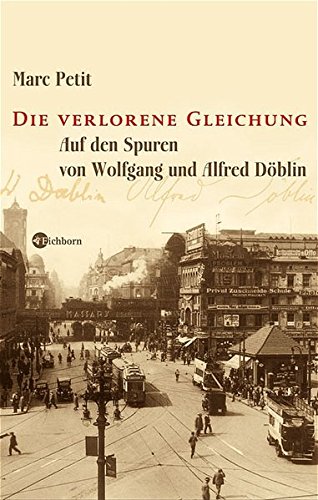
A sealed envelope, which Wolfgang had sent to the French Academy of Sciences, was opened in 2000. The envelope contained a significant unpublished mathematical manuscript on stochastic processes Sur l’équation de Kolmogoroff, which anticipated findings of the Japanese mathematician Itō Kiyoshi. On Wolfgang Doeblin’s life and work there is an interesting book by Marc Petit, which I refer to at the end of the article.
The last text by Alfred Döblin in the volume reviewed here is his speech in Saarbrücken about the New Europe (Saarbrücker Rede über das Neue Europa). It was Döblin’s last public address and a powerful statement for a strong, peaceful and united Europe:
“Europe! [….] The current state […] is actually unworthy of the men and women who live here, in fact we are all Europeans, whether we speak German, French or Italian. But it doesn’t matter, tomorrow or the day after tomorrow, we have to confront each other again, because the border runs like this and the other runs like that, and we would have to put ourselves on this side or on that [….] The old state systems have lost their meaning, Europe is the reality of today [….] Show them that behind the old rusty reality there is a young and splendid new one. Show the power you have to tear down the old structure. Team up! No small slogans. The just fight, the true fight, the only fight. ” (Translation T.H.)
It would be the right time today to remember this encouraging call for peace and unity in Europe!
The reviewed volume is excellently edited. It contains a long and instructive afterword by Ralph Schock, the editor of the book, as well as references and a bibliography. Particularly noteworthy are the many historical photos from German and French archives; they make the numerous connections of Döblinto the German-French border region also visually tangible. The book has a hard cover with dust jacket, a bound-in book sign and is carefully bound and printed on good, acid-free paper. It was published in a series “Spuren” (Traces) of a regional small publishing house (Gollenstein), which illuminated the literary references of significant authors to the Saar region in outstanding editions. I have for example discussed a volume of Joseph Roth’s journalistic work in the past that was published in this series; other volumes are dedicated to Hermann Hesse, Philippe Soupault, Ilya Ehrenburg, Theodor Balk, Francois-Régis Bastide, or Harald Gerlach. It is a pity that the publisher has now disappeared from the scene without a trace.
Admittedly, this was a contribution that went well beyond the average length of my usual book reviews. This is mainly due to this really beautiful book itself, which I read with particular interest not least because of my own origin from this region. In addition, I learned many details from the life of Alfred Döblin, that were previously unknown to me. Although an English translation of this volume is very unlikely, I still hope that especially Berlin Alexanderplatz readers may find this article useful. And maybe a few readers will try one of the other translated, but rarely read books by this author. Döblin’s oeuvre is full of surprises; in any case it is worth discovering this interesting author!
Alfred Döblin: “Meine Adresse ist: Saargemünd”, Gollenstein 2009; Je vous écris de Sarreguemines, tr. Renate and Alain Lance, Serge Domini Editeur 2017
Marc Petit: L’équation de Kolmogoroff. Vie et mort de Wolfgang Doeblin, un génie dans la tourmente nazie, Ramsay 2003, Folio 2005; Die verlorene Gleichung. Auf der Suche nach Wolfgang und Alfred Döblin, Eichborn 2005
Das sagte Peter Handke im Jahr 2014, und ich stimme in diesem Fall vollkommen mit ihm überein. Mit der Verleihung des Literaturnobelpreises an diesen Autor ist dieser Preis endgültig obsolet geworden.
Mit dem literarischen Schaffen Handkes konnte ich nie viel anfangen; und wenn er jetzt von manchen als “genialer Stilist” gefeiert wird, habe ich den Eindruck, das solche Leute nicht viel von ihm gelesen haben werden. Das Preziöse und Gestelzte seines Stils sollte doch wohl jedem, der auch nur ein Buch von ihm gelesen hat, aufgefallen sein. Und ein tiefer Denker ist Handke sicher auch nicht, mehr als einmal schrieb ich “Schwafler!” oder “Dampfplauderer!” an den Rand – zugegeben, manche halten solche Stellen offenbar für “poetisch”. Und die Dialoge, die Handke für Wim Wenders’ Der Himmel über Berlin geschrieben hat, strotzen nur so von Stilblüten und grandiosem Kitsch.
Ich will hier aber keine Stilkritik betreiben, sondern vielmehr ein paar Beobachtungen mitteilen, die ich im Zusammenhang mit der öffentlichen Debatte um Handkes Aussagen zu Serbien und seiner Rolle in den Jugoslawien-Kriegen gemacht habe.
Dabei wurde von denjenigen, die glauben, Handke habe den Nobelpreis wegen dieser Rolle nicht verdient, geltend gemacht, dass er sich bewusst und über Jahre hinweg zum Apologeten des aggressiven serbischen Nationalismus und Chauvinismus gemacht habe, dass er die Nähe von Kriegsverbrechern gesucht habe, sich mit Karadžić und Milošević getroffen und ihnen Texte gewidmet habe, dass er muslimische und kroatische Opfer und ihre Familien verhöhnt und entwürdigt habe, den Völkermord in Srebrenica erst in Frage gestellt, dann relativiert und entschuldigt habe, und einiges mehr.
Diejenigen, die die Auszeichnung Handkes für gerechtfertigt halten, verweisen auf seine angeblich überragende Bedeutung als Autor; die von seinen Gegnern beanstandeten Punkte werden entweder geleugnet, als vereinzelte, nicht relevante “umstrittene” Aussagen, die aus dem Zusammenhang gerissen wurden heruntergespielt, oder es wird auf die angebliche Trennung zwischen literarischem Werk und Autor hingewiesen, die man beachten müsse. Etwaige umstrittene Aussagen des Autors seien für die Beurteilung seines Werks unerheblich und würden dieses nicht beschädigen. Der Nobelpreis sei ein Literaturpreis und kein Preis für die politischen Auffassungen seines Autors. Ferner wurde den Handke-Gegnern generell unterstellt, sie kennten sein Werk nicht und würden eine Hetzjagd auf ihn betreiben. Vereinzelt wurde geäußert, Kritik an Handke sei “widerlich” bzw. einzelne Kritiker, die so etwas sagten seien “einfach nur widerlich”.
Die zum Teil scharfe Kritik an Handke kam für mich nicht überraschend. Als jemand, der 5 Jahre in Ex-Jugoslawien gelebt hat und viele Menschen verschiedener ethnischer Gruppen dort und deren Leidensgeschichte kennt, habe ich das umfangreiche Werk Handkes zum Thema Serbien (es taucht in wenigstens 6 seiner Werke als Hauptthema auf, außerdem gibt es Erzählungen, Essays, Interviews – er hat sich geradezu obsessiv an diesem Thema abgearbeitet.) über viele Jahre mit zunehmendem Unbehagen verfolgt. Die an Handke jetzt gemachten Vorwürfe treffen aus meiner Sicht vollkommen ins Schwarze.
Zum Argument, der Literaturnobelpreis sei nur ein Literaturpreis und Handkes umstrittene Aussagen irrelevant, muss darauf hingewiesen werden, dass das so nicht stimmt. Der Literaturnobelpreis ist nach dem Willen seines Stifters ein Preis der dem Autor verliehen werden soll, der „das Vorzüglichste in idealistischer Richtung geschaffen hat“. Worin die “idealistische Richtung” von Handkes Serbien-Werken liegen soll, konnte mir bisher leider niemand erklären. Aber vielleicht kommt das ja noch.
Die angebliche Trennung von Autor und Werk – nun ja, der Autor hat ja das Werk produziert, es gibt also wohl das wieder, was er denkt und glaubt. Handke ist ja nicht der erste Autor, der Dinge gesagt oder geschrieben oder getan hat, die vollkommen unakzeptabel sind. Aber weder ein Celine noch ein Pound haben den Nobelpreis bekommen, und zwar aus gutem Grund. (Dass das Nobelpreiskommitee aber auch schon in der Vergangenheit unakzeptable Autoren ausgezeichnet hat, muss man allerdings auch festhalten. Man denke nur an Pablo Neruda, ein Mann der viele Jahre lang Teil der stalinistischen Mordmaschinerie war.) Und Handkes umstrittene Aussagen stehen ja in mindestens einem halben Dutzend seiner Werke, ein nicht ganz belangloser Teil seines Werkes.
Nachdem die Auseinandersetzung in den Medien nunmehr schon seit Wochen andauert, sollte hier vielleicht auf zwei Artikel aufmerksam gemacht werden, die ganz gut das zusammenfassen (mit ausführlichen Textzitaten von Handke), was es an seinen Serbien-Texten zu beanstanden gibt.
Einige der Handke-Befürworter machen in dieser Phase leider einen wenig angenehmen und intellektuell oft nicht gerade redlichen Eindruck. Nachdem erst behauptet wurde, die Handke-Kritiker kennten sein Werk nicht, wurden jetzt, insbesondere nachdem Michael Martens (FAZ) und Alida Bremer (Perlentaucher) umfangreiche Nachweise für das chauvinistisch-revisionistische Engagement Handkes geliefert haben, weinerlich behauptet: “Nennen Sie das eine intellektuelle Debatte, mir einfach so Zitate vorzuhalten!” (Ein bekannter Handke-Biograph äußerte sich so sinngemäß auf Twitter.) Jetzt heißt es: “Hetzkampagne, wie unfair!”, und “Der arme Mann!”.
Nein, werte Handke-Verehrer, das Zitieren und leidenschaftslose Analysieren der Handke-Texte ist keine Hetzkampagne. Es ist unangenehm für den Genozid-Relativierer Handke, der in dem Licht seiner eigenen Texte gezeigt wird. Wenn es an der ganzen Angelegenheit etwas Widerliches gibt, sind es die Texte Handkes, nicht das Sich-ins-Erinnern-Rufen dessen, was er seit vielen Jahren gesagt, geschrieben und getan hat.
Was mich bei der Diskussion um Handke besonders schockt, ist etwas wozu ich ein wenig ausholen will. Geschichtsrevisionismus und extremer Nationalismus, der auch vor der Vertreibung und Ermordung ganzer Völker nicht haltmacht, sind ein grosses Problem in ganz Osteuropa. Über die versuchte Rehabilitierung einer faschistischen und antisemitischen Organisation, für die sich ein bulgarischer Schriftsteller kürzlich einsetzte, habe ich an anderer Stelle berichtet. In Rumänien, wo der Antisemitismus unter Intellektuellen immer besonders stark ausgeprägt war, macht der Schriftsteller Paul Goma seit vielen Jahren Stimmung gegen die Juden. Die Juden seien nun mal die Erfinder des Kommunismus und der Völkermord der Rumänen an den Juden im 2. Weltkrieg – den er abwechselnd mal leugnet und dann wieder zugibt, aber relativiert – sei daher als Racheakt zu sehen, und sei daher gewissermaßen verständlich und entschuldbar.
Handke argumentiert analog ganz genauso, wenn es um den Massenmord von Srebrenica geht, den er abwechselnd leugnet, dann bezweifelt, dann zwar zugibt, aber relativiert (es waren angeblich “nur” 2000 bis 4000 Opfer, und es war auch kein Genozid, weil die Ermordeten ausschließlich Männer waren(!) – außerdem sei die Tat nur ein Racheakt gewesen für ein angebliches Massaker der “Muselmanen”. Die Täter-Opfer-Umkehr ist etwas, was Handke mit vielen Apologeten seiner Couleur gemeinsam hat.). Die Serben, die jahrelang die Einwohner Sarajevos terrorisierten und Tausende von ihnen durch Scharfschützen ermordeten werden gar mit Leuten, die eigentlich nur Indianer spielen wollten, verglichen! Das ist alles so erschreckend menschenverachtend, so bar jeder Empathie mit den Opfern (denen er im Tod sogar den Opferstatus abspricht – Opfer sind bei ihm die Serben) – dass es mir einfach nur den Atem verschlägt, wenn sich Menschen, die sich als Intellektuelle bezeichnen, sich nicht mit schärfsten Worten von solchen furchtbaren Äußerungen in seinem Werk distanzieren und es sogar begeistert feiern, wenn Herr Handke mit dem Literaturnobelpreis ausgezeichnet wird. Ich finde sowohl die Auszeichnung für Handke, als auch vieles von dem, was seine Verteidiger schreiben, schlicht und einfach zum Kotzen. – Pardon my French!
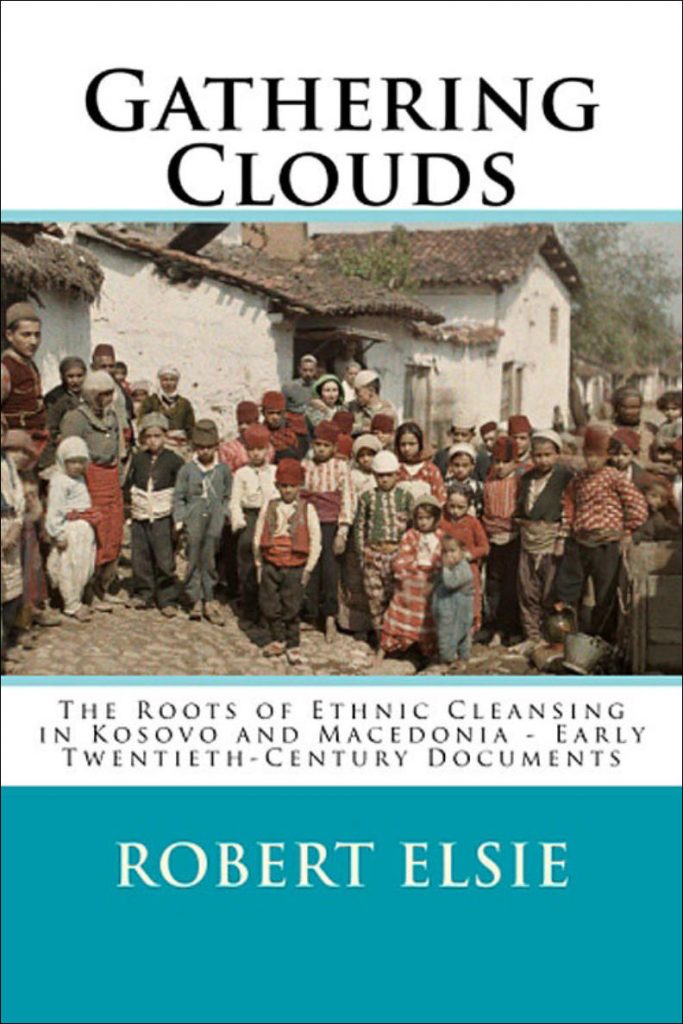
Wer sich über Strömungen unter serbischen Intellektuellen des 20. Jahrhunderts (darunter auch Ivo Andric) informieren will, in die sich Handke, der Apologet der ethnischen Säuberung einreiht, sei auf die untenstehende Veröffentlichung des Albanologen Robert Elsie hingewiesen, die auch die beiden Denkschriften des Sarajewo- Attentäters Vaso Čubrilović und das Gutachten von Andric zur ethnischen Säuberung enthält. Vieles von dem, was Handke seinen serbischen Bezugspersonen nachplapperte, hat seine Wurzeln in den Denkschriften Čubrilovićs, der in den 1980ernhochbetagt, wiederentdeckt wurde und dessen Plan zur ethnischen Säuberung das Drehbuch zu den Feldzügen der serbischen Militärs und Paramilitärs darstellte.
“Den Nobelpreis sollte man endlich abschaffen.” – Peter Handke hat Recht!(Das Preisgeld wird er aber sicher annehmen!)
Robert Elsie (Hg.): Gathering Clouds. The Roots of Ethnic Cleansing in Kosovo and Macedonia, Albanian Studies Vol. 4, Centre for Albanian Studies, London 2015
Some time ago I reported on this blog how the Bulgarian author Zachary Karabashliev campaigned for a veteran of the Bulgarian fascist and anti-Semitic “Legions” (in a FB post that he later edited by deleting the reference to the “Legions”) whom he called “a hero”. The same admiration was expressed by Karabashliev in a TV interview. The man in question, Dyanko Markov, has in the past repeatedly made public statements in which he described the deportation of the Jews in the areas annexed by Bulgaria in WWII to Treblinka as “relatively human”, and he even justified this deportation and murder of a “hostile population” in a speech in the Bulgarian Parliament a few years ago. Until today he identifies himself with the “values” of the Legions, an organization, which was created after the image of the German SA.
In my blog post I mentioned that Karabashliev and his fellow supporters, some of whom have been running a campaign for years to rehabilitate the anti-Semite Dyanko Markov and the fascist and anti-Semitic Bulgarian Legions, use a concrete incident described in the article to reiterate their historical revisionist theses on the heroism of the Legions, whose founder and leader Hristo Lukov is a figure venerated by Nazis throughout Europe today.
It is a tactic already applied in the past by a specific supporter of Dyanko Markov, to try to intimidate people who mention some for Markov and his fans uncomfortable facts with abusive words, as well as with the threat of legal action on the grounds of slander. So it was no surprise that Mr. Karabashliev, under the influence of the said person, sent me a formally polite and content-wise outrageous message, giving me an ultimatum of 48 hours to delete my allegedly “defamatory” contribution.
Although I can subjectively understand that – as he writes himself – my previous blog post is very unpleasant for him, I have to tell to Mr. Karabashliev however that he has to look who’s talking here. If he had not made the attempt to portray a man as a hero who – according to the final verdict of no less than three court cases on the exact same matter (Markov et al. vs. Yuliana Metodieva) – can be called an anti-Semite and a fascist – and who until today sticks to the ideals of his youth and propagates the anti-Semitic and fascist “values” of the Legions, while at the same time voicing holocaust apologies and denying the responsibility of the organization of which he was a member in the holocaust, my article would never have been written. And for a word that Mr. Karabashliev has distanced himself in the meantime from the Legions and the anti-Semite and fascist Dyanko Markov I have waited until now in vain.
What Mr. Karabashliev apparently has not understood until today: if a Dyanko Markov had been a member of the Legions and would have distanced himself credibly at some point in his life from the anti-Semitism and fascism of this immoral and inhuman organization, my article would also not have been written. But Markov is still a propagandist for the Legions and their anti-Semitism and fascism, he has participated several times in the notorious Nazi march in honor of Lukov, but Mr. Karabashliev finds him heroic and then begins moaning and whining when someone tells him that he is campaigning here de facto for the rehabilitation of an anti-Semitic and fascist organization, and also for the rehabilitation of a member who has not become in any ways distant to these “values” during his whole life.
Mr. Karabashliev has either committed a stupidity of gigantic proportions or he is sharing Markov’s political convictions and now, after several people have publicly criticized him for this, he seems to believe that the allegation of a lawsuit will cause me to tacitly delete my post. However, Mr. Karabashliev makes a mistake of judgment here. I am not intimidated by his threat.
I hope in his own interest that Mr. Karabashliev is informed by his lawyer that not everything that is personally unpleasant to him is slander. And that I have said something untrue about Mr. Karabashliev, he probably will not want to assert. That would be – because if he claims so, it is obviously not true – indeed slander by Mr. Karabashliev and therefore potentially a criminal offense. He may not realize his very delicate legal position in this case, but of course he, just like any other citizen, can choose the legal recourse to clarify which of the two of us has violated the law by claiming something false with the intention to tarnish the reputation of the other. The result could be quite surprising and even more unpleasant for Mr. Karabashliev than my blog post. In any case, I will continue to report on the activities of certain revisionist circles in Bulgaria, and in the future possibly in front of a larger international public.
Whether Mr. Karabashliev wants to be associated with anti-Semitic, fascist and historical revisionist circles in Bulgaria also in the future, or whether he realizes that he has got himself into something on this matter, which will permanently harm his reputation as a writer and person, I do not know, of course. The damage to his reputation, however, will be far greater and more lasting if he goes to court. The choice is up to him.
PS: Here is a report of the Bulgarian Jewish organization Shalom on anti-Semitism in Bulgaria. On page 8, Dyanko Markov and the Bulgarian Legions are also mentioned.
And here is a report on the three dismissed lawsuits, with which the journalist Yuliana Metodieva should be muzzled unsuccessfully in the dispute over Markov in the past.
Vor einiger Zeit berichtete ich auf diesem Blog, wie der bulgarische Schriftsteller Zachary Karabashliev sich für einen Veteranen der bulgarischen faschistischen und antisemitischen „Legionen“ einsetzte und diesen (in einem später von ihm redigierten FB-Post, in dem er den Teil, der sich auf die Legionärstätigkeit dieses Mannes bezieht, löschte) als Helden bezeichnete. Ähnlich äusserte er sich in einem Fernsehinterview. Der Mann um den es geht, Dyanko Markov, wurde in der Vergangenheit mehrfach durch Äusserungen, in der er die Deportation der Juden in den von Bulgarien annektierten Gebieten nach Treblinka als „relativ menschlich“ bezeichnete, und der diese Deportation einer „feindlichen Bevölkerung“ öffentlich in einer Rede im bulgarischen Parlament vor einigen Jahren rechtfertigte, bekannt. Er steht bis heute zu den Werten der Legionäre, der bulgarischen Organisation, die nach dem Abbild der deutschen SA gegründet wurde.
In meinem Beitrag stellte ich fest, dass Karabashliev und seine teilweise schon einschlägig hervorgetretenen Mitstreiter, von denen einige seit Jahren eine Kampagne zur Rehabilitation des Antisemiten und Faschisten Dyanko Markov und der faschistischen und antisemitischen Organisation der Legionäre betreiben, einen konkreten Vorfall, der in dem Artikel geschildert wird, dazu benutzen, erneut ihre geschichtsrevisionistischen Thesen von der Heldenhaftigkeit der Legionäre, deren Gründer und Führer Lukov eine von Nazis in ganz Europa heute verehrte Figur ist, zu propagieren.
Es ist eine schon mehrfach erprobte Taktik einer Mitstreiterin von Dyanko Markov, Personen, die einige für Markov und seine Unterstützer unbequeme Tatsachen erwähnen, mit wüstesten persönlichen Angriffen und Schimpfworten und ausserdem mit einer Klageandrohung wegen Verleumdung bzw. übler Nachrede zu bedrohen. So war es auch keine Überraschung, dass mir Herr Karabashliev, wohl unter dem Einfluss der besagten Person, eine in höflichem Ton gehaltene aber inhaltlich unverschämte Nachricht zukommen liess, die mir ein Ultimatum von 48 Stunden gibt, meinen angeblich „verleumderischen“ Beitrag zu löschen.
Nun kann ich zwar subjektiv nachvollziehen, dass – wie er selbst schreibt – mein Artikel ihm sehr unangenehm ist. Allerdings muss sich Herr Karabashliev hier an die eigene Nase fassen. Hätte er nicht den Versuch gemacht, einen Mann als Helden darzustellen, der – und das ist gerichtlich letztinstanzlich bereits festgestellt (Rechtssache Markov et al. vs. Yuliana Methodieva) bis heute zu den Idealen der antisemitischen Legionäre steht und ihre Werte propagiert, bei gleichzeitiger Holocaustrelativierung und -apologie, ein Mann, den man von Rechts wegen ungestraft einen Antisemiten und Faschisten nennen darf, wäre mein Artikel nie geschrieben worden. Und eine Stellungnahme, in der Herr Karabashliev in der Zwischenzeit geäussert hätte, dass er sich eindeutig von den Legionären und dem Antisemiten und Faschisten Dyanko Markov distanziert – diese Stellungnahme habe ich bisher vergeblich erwartet.
Was Herr Karabashliev offenbar bis heute nicht verstanden hat: wäre ein Dyanko Markov Legionär gewesen und hätte sich irgendwann in seinem Leben glaubhaft vom Antisemitismus und Faschismus dieser amoralischen Organisation distanziert, wäre mein Artikel ebenfalls nicht geschrieben worden. Aber Markov steht bis heute zu den Legionären und ihrem Antisemitismus und Faschismus, hat auch mehrfach am berüchtigten Naziaufmarsch zu Ehren Lukovs teilgenommen, aber Karabashliev findet ihn heldenhaft und fängt dann an zu zetern und zu jammern, wenn jemand ihm sagt, dass er hier eine jahrelange Kampagne zur Rehabilitierung dieser antisemitischen und faschistischen Organisation unterstützt, eine Rehabilitierung eines Mitglieds auch, der überhaupt nicht geläutert ist und der sich nie glaubhaft von dieser Organisation und ihren verbrecherischen Zielen distanziert hat.
Herr Karabashliev hat entweder eine Dummheit von gigantischem Ausmass oder aber eine Überzeugungstat begangen und glaubt nun, nachdem ihn mehrere Personen dafür öffentlich kritisiert haben anscheinend, dass die Klageandrohung mich dazu veranlassen wird, meinen Post stillschweigend zu löschen. Allerdings begeht Herr Karabashliev hier eine Fehleinschätzung. Einschüchtern lasse ich mich nämlich nicht.
Ich hoffe in seinem eigenen Interesse, Herr Karabashliev wird von seinem Anwalt darüber aufgeklärt, dass nicht alles, was ihm persönlich unangenehm ist, Verleumdung darstellt. Und dass ich etwas Unwahres über Herrn Karabashliev behauptet habe, wird er wohl nicht behaupten wollen. Das wäre dann nämlich – da wahrheitswidrig – in der Tat Verleumdung durch Herrn Karabashliev und ergo strafrechtlich relevant. Falls er das nicht einsieht, steht ihm natürlich wie jedem Bürger der Rechtsweg offen, um zu klären, wer von uns beiden hier das Recht verletzt hat, indem er Unwahres behauptet. Das Ergebnis könnte für Herrn Karabashliev durchaus überraschend und noch viel unangenehmer sein als mein Artikel. In jedem Fall werde ich auch weiterhin und in Zukunft wohl auch vor einer grösseren internationalen Öffentlichkeit über die geschichtsrevisionistischen Aktivitäten gewisser Personen in Bulgarien berichten.
Ob Herr Karabashliev Wert darauf legt, auch weiterhin mit antisemitischen, faschistischen und geschichtsrevisionistischen Kreisen in Bulgarien in Verbindung gebracht zu werden, oder ob er einsieht, dass er sich bei dieser Angelegenheit in etwas verrannt hat, was seinem Ansehen als Schriftsteller und Person nachhaltig schadet, weiss ich natürlich nicht. Der Schaden für sein Ansehen wird allerdings ungleich grösser und dauerhafter sein, wenn er den Gerichtsweg beschreitet. Es liegt ganz bei ihm.
PS: Hier ein Bericht der bulgarischen jüdischen Organisation Shalom zum Antisemitismus in Bulgarien. Auf S. 8 finden auch Dyanko Markov und die Bulgarischen Legionen Erwähnung.
Und hier ein Bericht über die drei abgewiesenen Klagen, mit denen die Journalistin Yuliana Metodieva in der Auseinandersetzung um Markov erfolglos mundtot gemacht werden sollte.
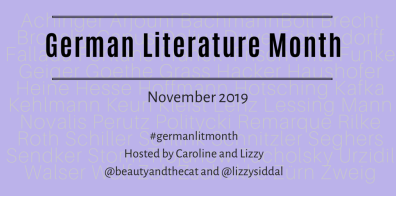
November is approaching and in the sphere of book bloggers this means: German Literature Month! For the ninth time, Caroline from Beautyisasleepingcat and Lizzy from Lizzy’s Literary Life will be hosting this event. And for me this is a good opportunity to revive my blog.
Although I have an idea which books I intend to review, I prefer not to make any public announcements. From experience I know that sometimes I change my plans in the last minute; but there will be for sure some reviews again from my side, after I had to skip last year’s edition of this event due to a lack of time.
It would be great if you would like to join German Literature Month with a review of a book originally written in German too. Either on your own blog, or possibly also as a guest author, for example here on Mytwostotinki. As for more information regarding German Literature Month IX, please check the links above.
Since March 2009 I have a profile on Facebook; and I’m also present on a few other social media portals, although I am not particularly (Twitter, LinkedIn) or not at all active (Instagram) there. Today I have decided to stop publishing texts on Facebook and also not to comment anymore on postings of others in the future.
For a very communicative person like me, who travels a lot due to his work and who has lived in different parts of the world, Facebook as an idea is not a bad thing. Such a platform basically offers the opportunity to share certain information with his friends and acquaintances in an easy way and to catch up with what’s going on in the circle of your friends and acquaintances. And in principle, it would also have the potential to bring people together who do not know each other in real life, but who share common interests and values. And in a few cases, that’s exactly what happened: through Facebook, I made the acquaintance of some people who have become important to me today. But this is – if I look back over the period of more than 10 years Facebook presence -, the exception rather than the rule. Unfortunately, apart from these rare personally enriching experiences, Facebook has become a place where I am confronted with more and more misery, anger, hatred, rage, and ugliness.
The business practices of Facebook are by now probably well known; I do not want to revisit them here. If you want to read something intelligent and really brilliant and witty about this topic, I highly recommend you Jaron Lanier’s book Ten Arguments for Deleting Your Social Media Accounts Right Now. Lanier is one of the few thinkers who deals with the consequences of the developments of modern media and information technologies, and his sharp rejection of the “for free” culture, which is spreading more and more, I share wholeheartedly. I do not want to review the book here, but whoever has a social media account should read this insightful and instructive book. After that, probably only a very few people will actually delete their social media accounts – Lanier himself does not have any illusions about that – but almost everyone who will read the book will be much more aware of what and where he posts something, and it will probably be much clearer to most people, how Facebook et al. are trying to manipulate every user in the interest of their paying clientele. Lanier’s ideas about how social media that work in the interest of their users, and not their paying customers, should look like are also worth to be discussed. Food for thought!
In addition to the serious objections regarding the business practices and privacy violations of Facebook and the structural defects of the platform itself, something else comes into play, which is also addressed by Lanier, something that every Facebook user has probably already experienced many times. It concerns the often very unpleasant and aggressive communication behavior of many FB users.
Everyone who’s on FB knows them: the narcissists who post almost exclusively selfies; the trolls who, with every contribution – whether it suits the topic or not – address their favorite pet theory and who would like to hijack every discussion even when it is not even remotely linked to the topic of the original posting; the racists, anti-Semites, xenophobes, homophobes, misogynists, conspiracy theorists, climate change deniers, Greta-bashers, sectarians, supporters of right-wing extremist parties, which I mercilessly delete from my circle of Facebook contacts, but who are apparently procreating like rabbits lately, so that you can hardly keep this plague in check. And what I also noticed time and time again: the way people address each other on Facebook, even and especially among people from whom one does not expect it per se (intellectuals), is frequently very uncultured, rude, insolent, insulting.
Over the last few months and years, I’ve been receiving threats to my physical integrity, including death threats, following some of my Facebook posts and comments. After my recent report about the revisionist activities of a Bulgarian writer, I received the most incredible insults – ad hominem attacks are by far the most common “argument” of many FB participants – and was the victim of a virtual pogrom of an apparently mentally disturbed woman, who despite being known as a pathological liar has apparently the ear of many of my Facebook friends. (It goes without saying that I only in very rare cases received any support even from close personal friends, when I was subject to such extreme cases of abuse and threats – so much for friendship!) And these are not just a few unique cases. If you only voice a single critical remark on a specific topic, you are immediately subject to abuse and unfair attacks even by people with a high formal education (including in some cases, writers and professors); even the friendly hint to a friend who asks where he can find a certain recording that is out of circulation is sufficient reason for a third party to jump in with snide remarks from the sideline.
I’m tired of all that. What I have to say to my friends, I will tell them in person in the future or through other, more private communication channels. And things that I would like to make public, I will post here on my blog. I will not delete my Facebook profile and maybe even occasionally share one or the other link or a few photos. But there will be no texts and comments from me on Facebook anymore in the future. No reason to be sad – in the contrary: I will have more time again to take care of more important things.
Jaron Lanier has no Social Media Accounts – but a cat! He is probably a happy person
Jaron Lanier: Ten Arguments For Deleting Your Social Media Accounts Right Now, Picador 2019
The countries of Eastern Europe continue to struggle with the classification of their history and the people and currents that shaped it. This is especially true for the legacy of the time immediately before the Communist seizure of power. In many Eastern European countries, since the 1920s, there were fascist or openly National Socialist groups that enjoyed widespread popular support; they generally combined radical anti-communism with a totalitarian idea of society and eliminationist anti-Semitism modeled after German National Socialism.
From these groupings, the Nazis gained before and at the outbreak of WWII many fanatical supporters for their policy of violence and extermination, a policy that aimed at the complete eradication of whole races, especially the Jews and Roma. The prejudices and social exclusion that had prevailed for centuries, as well as the existing willingness to use violence against these population groups in Eastern Europe, were taken up by the Nazis and made serviceable for their barbaric extermination project. The anti-Semitic and fascist organizations of the “elites” in these countries disappeared apparently later with the Communist seizure of power, but the persons and attitudes of course remained largely unchanged.
While many leading members of fascist groups settled in the West in time, and others being executed or sentenced to lengthy prison terms in trials that were usually not according to the standards of constitutional democracies, there were also many who remained undisturbed. Among other things, the collapse of the communist bloc in Eastern Europe led to the formation of political groups that deliberately leaned towards pre-war organizations and that see themselves as following the values of such organizations. As a rule, the anti-communism of these pre-WWII groups is emphasized, but the totalitarian-fascist and anti-Semitic tradition is often concealed or relativized.
Hard-boiled anti-Semites and racists who have survived the communist regime and who are still proud of their (mis)deeds against Jews, and who in some cases spent decades behind bars in a communist prison, were suddenly revered by many despite (or perhaps because of?) their open advocacy of the ideology of their youth as anti-communist martyrs and heroes and role models for 21st century youth. And frequently, there are willing intellectuals who wholeheartedly support this revisionist narrative.
I want to report on such a case here. The focus is on the Bulgarian writer Zachary Karabashliev, whose novel 18% Gray is also available in English translation.
What is it all about? On his Facebook profile Karabashliev describes a visit to a 97-year-old retiree, and he provides photos and explanatory text. This encounter has, in his own words, strongly impressed him. The old man, apparently still astonishingly vigorous for his age, was harassed several times by intruders in his home and probably also physically abused. Karabashliev demanded in a letter from the competent ministry a better protection and an increased pension for the war veteran, who also spent many years in a prison of Communist Bulgaria as a regime opponent.
So far so good. There is no one who does not regret the poor living conditions of pensioners in Bulgaria, and also the frequent lack of recognition that many innocent victims of the communist system (in)justice have received in today’s Bulgarian society. So quite a noble action, which honors also the initiator, one could believe at first glance. Another picture, however, comes to light when you are digging a bit deeper.
The old man, whom Karabashliev praises, and whom he has repeatedly dubbed in public statements – even on television – as a hero, is called Dyanko Markov. Markov was imprisoned in communist Bulgaria for political reasons and was rehabilitated in the years after 1989. He was then a member of parliament for a right-wing party and became the most prominent living symbol of the political Right in Bulgaria because of his strong anti-communist stance. Markov wrote his memoirs, he often appeared as a speaker at public events (for example at the European Parliament) and was repeatedly interviewed. He is not just any pensioner, but in Bulgaria a well-known figure of public life. We are dealing with someone whom many – Karabashliev, for example – consider to be an exemplary hero and as such he was and is always present in the Bulgarian public.
In the first version of his Facebook post, Karabashliev also mentioned in detail and admiringly a part of the biography of Markov, which he interestingly later edited and completely deleted. This section referred to Markov’s membership in the so-called “Legions” and his alleged heroic deeds during World War II.
The Union of Bulgarian National Legions was an anti-Semitic and openly fascist paramilitary organization led by Hristo Lukov from 1933 on (he used the title “National Leader”). The youth organization of the Legions used the swastika as part of their emblem, the uniforms of the Legions and also the program were directly based on the blueprint of the German SA and also otherwise this movement was regarded as an arm of Hitler in Bulgaria and was strongly supported accordingly by Nazi Germany.
Eliminationist anti-Semitism was particularly actively promoted in Bulgaria by radical groups such as the Legions. Lukov, who eventually rose to become a general, Minister of War, and the “gray eminence” in the background, used the Legions as a base to gain more and more political influence and power; the Gestapo seriously debated whether they should support a coup d’etat by Lukov against Tsar Boris III who was for opportunistic reasons – the defeat of the Nazis was already forseeable – reluctant to carry out the Final Solution in Bulgaria; a replacement by a dictator Lukov, would according to the reasoning of the Gestapo, “deliver” the Jews for extermination without any problems. Before these ideas could be carried out, Lukov was assassinated by Violeta Yakova, a 19-year-old Jewish partisan (she was later brutally raped and tortured to death by Bulgarian security forces); the strong resistance of many Bulgarian citizens, some politicians (such as Dimitar Peshev) and the Orthodox Church in Bulgaria meant in the end that Bulgaria did not extradite their own Jewish citizens to the Nazis.
The Jews in the Bulgarian-occupied and annexed areas of Thrace, Macedonia and the Pirot region of Serbia were less fortunate: they were the only inhabitants of these areas who were formally declared as non-Bulgarians, and with this “trick” the Bulgarian authorities had laid the basis for deporting them. The deportation in these areas was organized and carried out by Bulgarians, members of the Union of Bulgarian National Legions were particularly eager, since the murder of the Jews corresponded to their own program. More than 11,000 Jews were deported to Treblinka and murdered on arrival.
The founder and “leader” of this organization, which carried out much of the dirty work in the murder of Jews, Hristo Lukov, is the idol of many neo-Nazis in Europe to this day, he is “honored” with a torchlight parade every year in the center of Sofia by groups of neo-Nazis from all over Europe. Lukov is also the idol of Dyanko Markov, and he still propagates the ideas and “values” of the Legions to this very day. His memoirs sing a song of heroism of this organization. The Holocaust in the territories occupied and annexed by Bulgaria was commented by Markov in a speech in the Bulgarian parliament in 2000, in which he stated that the deportation of a “hostile population” was not a war crime. In 2018 he added that the deportation of the Jews to Treblinka was “relatively humane”. Almost at the same time Markov received from the Bulgarian state a high Order of Merit. One wonders, however, for what exactly…
At this point lies the real scandal, in the center of which Karabashliev has now maneuvered himself, probably out of the deepest conviction from the bottom of his heart.
If he and his notorious co-propagandists had wanted to draw attention to the fate of the veterans, the former inmates and victims of the communist regime of injustice or, in general, the shameful situation in which many elderly people in Bulgaria have to vegetate, one could easily choose almost any older person in Bulgaria as an example. The fact that a Dyanko Markov of all people is chosen to make this point, a person whose appearance in the European Parliament triggered a major scandal just a few years ago, after his continued advocacy of an inhumane organization and ideology and his Holocaust relativization became known, is, of course, a hint to the fact that the small group’s political program that keeps repeating Dyankov’s instrumentalization aims mainly at a complete rehabilitation of criminal fascist organizations from pre-war Bulgaria, a rehabilitation on which the group obviously plans to capitalize politically.
Anyone who points out that an inhumane ideology is being propagated here, the ideology of a group whose main historical aim was the mass murder of certain population groups and a cruel war of aggression in the East, anyone who questions why such people should be made into heroes must be prepared for a few things, from – in the end unsuccessful – slander trials to vicious, hate-filled personal attacks from the camp of Karabashliev’s co-propagandists. Unfortunately, such tendencies are probably in the spirit of the times, because in Bulgaria, which is governed by a coalition of right-wing and right-wing extremist parties, intellectual currents that relativize or deny the Holocaust and who claim that it is “the Jews” who need to be blamed for all atrocities of communism (which, as a matter of course makes their mass murder an excusable response); even the age-old anti-Semitic topos of the Jews as Christ-killers celebrates resurrection, e.g. in the columns of the once respected portal “Kultura”. The fact that Bulgarian writers such as Karabashliev and a few other second- and third-rate figures are initiating or supporting such shameful acts is a declaration of moral bankruptcy.
The case Karabashliev weighs particularly hard because of its influential position in the Bulgarian publishing industry. Significantly, with the exception of Angel Igov, who has contradicted the account of Karabashliev and his allies with reference to the facts, and Lea Cohen, who as a Jew is a traditional target of the Bulgarian anti-Semites, no other author has to my knowledge yet intervened in this scandal. Too big is obviously the fear to lose access to publication outlets in the small Bulgarian book market, or to estrange readers, of which a considerable part probably sympathizes with Markov‘s and Karabashliev’s historical revisionism. One may call this cowardice or complete dullness towards moral values; in any case it is a tragedy and a worrying symptom of the state of Bulgarian society these days.
Die Länder Osteuropas tun sich nach wie vor schwer mit der Einordnung ihrer Geschichte und der Personen und Strömungen, die sie gestaltet haben. Das gilt vor allem für das Erbe aus der Zeit unmittelbar vor der kommunistischen Machtergreifung. In vielen osteuropäischen Ländern gab es seit den zwanziger Jahren des 20. Jahrhunderts faschistische oder offen nationalsozialistische Gruppierungen, die sich grosser Unterstützung in Teilen der Bevölkerung erfreuten, und die in der Regel einen radikalen Antikommunismus mit einem totalitären Gesellschaftsmodell und eliminatorischem Antisemitismus nach nationalsozialistischem Vorbild verknüpften.
Aus diesen Gruppierungen erwuchsen den Nazis vor und bei Kriegsausbruch fanatische Unterstützer für ihre Gewaltpolitik, in deren Zug sie ganze Rassen ausrotten wollten, allen voran die Juden und Roma. Die seit Jahrhunderten verbreiteten Vorurteile und gesellschaftlichen Ausgrenzungen, sowie die vorhandene Gewaltbereitschaft gegenüber diesen Bevölkerungsgruppen in Osteuropa wurde von den Nazis gerne aufgegriffen und für ihr barbarisches Ausmerzungsprojekt dienstbar gemacht. Die antisemitischen und faschistischen Organisationen der „Eliten“ in diesen Ländern verschwanden zwar scheinbar später mit der kommunistischen Machtergreifung, die Personen und Geisteshaltungen aber blieben selbstverständlich weitgehend unverändert.
Während sich viele führende Vertreter faschistischer Gruppierungen rechtzeitig in den Westen absetzten und mancher auch im Rahmen von Prozessen, die meist wenig rechtsstaatlich waren, hingerichtet oder zu langjährigen Gefängnisstrafen verurteilt wurde, blieben viele auch unbehelligt. Der Zusammenbruch des kommunistischen Blocks in Osteuropa führte unter anderem auch dazu, dass sich politische Gruppierungen bildeten, die sich bewusst an Vorkriegsorganisationen anlehnten oder in deren Tradition sehen. Dabei wurde in der Regel der Antikommunismus dieser Gruppierungen in den Vordergrund gestellt, die totalitär-faschistische und antisemitische Tradition aber gerne verschwiegen oder relativiert.
Hartgesottene Antisemiten und Rassisten, die das kommunistische Regime überlebt haben und bis heute stolz auf ihre (Un-)Taten gegenüber Juden sind und die in einigen Fällen Jahrzehnte hinter Gittern in einem kommunistischen Gefängnis verbracht hatten, wurden von vielen plötzlich ungeachtet (oder vielleicht gerade wegen?) ihres offenen und ungeläuterten Eintretens für die Ideologie ihrer Jugendjahre als antikommunistische Märtyrer und Helden und Vorbilder für die Jugend des 21. Jahrhunderts dargestellt. Und immer wieder finden sich willige Intellektuelle, die dieses revisionistische Narrativ aus ganzem Herzen unterstützen.
Von einem solchen Fall will ich hier berichten. Im Zentrum steht dabei der bulgarische Schriftsteller Zachary Karabashliev, dessen Roman 18% Grau auch in englischer Übersetzung vorliegt.
Um was geht es konkret? Auf seinem Facebook-Profil berichtete Karabashliev von einem Besuch bei einem 97-jährigen Rentner, den er mit Fotos und erläuterndem Text versah. Diese Begegnung hat ihn nach eigenen Worten stark beeindruckt. Der alte Herr, offenbar noch erstaunlich rüstig für sein Alter, wurde diesem Bericht zufolge mehrfach von Eindringlingen in seiner Wohnung belästigt und wohl auch physisch misshandelt. Karabashliev forderte vom zuständigen Ministerium in einem Brief einen besseren Schutz bzw. eine erhöhte Rente des Kriegsveteranen, der zudem auch viele Jahre in einem Gefängnis des kommunistischen Bulgariens als Regimegegner einsass.
So weit, so gut. Es gibt wohl niemanden, der die schlechte Versorgung von Rentnern in Bulgarien und auch den häufigen Mangel an Anerkennung, den die vielen unschuldigen Opfer der kommunistischen Systemjustiz gegen Regimegegner in der heutigen bulgarischen Gesellschaft erhalten, nicht bedauert. Also durchaus eine edelmütige Aktion, die dem Initiator zur Ehre gereicht, könnte man auf den ersten Blick glauben. Ein anderes Bild jedoch ergibt sich, wenn man etwas tiefer gräbt.
Der alte Herr, von dem Karabashliev berichtet, und den er mehrfach in öffentlichen Äusserungen – auch im Fernsehen – als Helden tituliert hat, heisst Dyanko Markov. Markov war von im kommunistischen Bulgarien aus politischen Gründen inhaftiert und wurde in den Jahren nach 1989 rehabilitiert. Er war danach Parlamentsabgeordneter einer rechten Partei und wurde die prominenteste lebende Symbolfigur der Rechten in Bulgarien wegen seines unbeugsamen Antikommunismus. Markov schrieb seine Memoiren, trat häufig als Redner bei öffentlichen Veranstaltungen auf (u.a. auch im Europaparlament) und wurde immer wieder interviewt. Er ist also nicht irgendein Rentner, sondern in Bulgarien eine sehr bekannte Figur des öffentlichen Lebens. Wir haben es mit jemandem zu tun, den viele – so auch Karabashliev – geradezu für einen mustergültigen Helden halten und als solchen immer wieder der Öffentlichkeit vorstellen.
In der ersten Version seines Facebook-Posts erwähnte Karabashliev auch ausführlich und bewundernd einen Teil der Biographie Markovs, den er interessanterweise später redigierte und komplett strich. Dieser Abschnitt bezog sich auf die Mitgliedschaft Markovs bei den sog. „Legionären“ und seine angeblich heldenhaften Taten während des 2. Weltkriegs.
Der Bund der Bulgarischen Nationalen Legionen war eine antisemitische und offen faschistische paramilitärische Organisation, die ab 1933 von Hristo Lukov geführt wurde (er benutzte den Titel „Nationaler Führer“). Die Jugendorganisation der Legionäre nutzte in ihrem Emblem das Hakenkreuz, die Uniformen des Verbandes und auch das Programm waren direkt an das Muster der nazistischen SA angelehnt und auch sonst wurde diese Bewegung als Arm Hitlers in Bulgarien angesehen und entsprechend von Nazideutschland gefördert.
Der eliminatorische Antisemitismus wurde in Bulgarien besonders aktiv von radikalen Gruppen wie den Legionären propagiert. Lukov, der schliesslich zum General, Kriegsminister und zur grauen Eminenz im Hintergrund aufstieg, nutzte die Legionäre, um auch politisch immer mehr Einfluss zu gewinnen; die Gestapo diskutierte ernsthaft, ob man einen Staatsstreich Lukovs gegen den bei der Judenvernichtung in Bulgarien aus opportunistischen Gründen – die Niederlage der Nazis war bereits absehbar – zögerlichen Zar Boris III durchführen sollte und an seiner Stelle Lukov als Diktator, der die Judenvernichtung in Bulgarien „liefern“ würde, unterstützen sollte. Dazu kam es am Ende nicht, Lukov wurde von der 19-jährigen jüdischen Partisanin Violeta Yakova bei einem Attentat getötet (sie wurde später von bulgarischen Sicherheitskräften bestialisch vergewaltigt und zu Tode gefoltert); der starke Widerstand vieler bulgarischer Bürger, einiger Politiker (wie Dimitar Peshev) und der Orthodoxen Kirche in Bulgarien führten dazu, dass Bulgarien die Juden im eigenen Land nicht an die Nazis auslieferte.
Die Juden in den von Bulgarien besetzten Gebieten Thrakiens, Mazedoniens und der serbischen Region Pirot hatten weniger Glück: sie wurden als einzige Einwohner dieser Gebiete nicht als Bulgaren angesehen, und mit diesem „Trick“ hatte man die Grundlage geschaffen, sie zu deportieren. Die Deportation in diesen Gebieten wurde von Bulgaren organisiert und durchgeführt, Mitglieder der Bulgarischen Nationalen Legionen zeigten sich besonders eifrig, entsprach der Mord an den Juden doch ihrem eigenen Programm. Mehr als 11000 Juden wurden überwiegend nach Treblinka zur Vergasung deportiert.
Der Gründer und „Führer“ dieser Organisation, die Hand- und Spanndienste beim Judenmord leistete, Hristo Lukov, ist das Idol vieler Neo-Nazis in Europa bis heute, er wird jedes Jahr mit einem Fackelzug gewaltbereiter Rechtsextremisten aus ganz Europa auf den Strassen von Sofia „geehrt“. Lukov ist auch das verehrte Idol von Dyanko Markov, und er propagiert bis heute das Gedankengut der Legionäre. Seine Memoiren singen das Heldenlied dieser Organisation. Der Holocaust in den von Bulgarien besetzten und annektierten Gebieten wurde von Markov in einer Rede im bulgarischen Parlament im Jahr 2000 dahingehend kommentiert, dass die Deportation einer „feindlichen Bevölkerungsgruppe“ kein Kriegsverbrechen sei. Im Jahr 2018 ergänzte er dazu noch, dass die Deportation nach Treblinka „relativ human“ gewesen sei. Fast zeitgleich erhielt Markov vom bulgarischen Staat einen hohen Verdienstorden. Man fragt sich allerdings, wofür…
In diesem Punkt liegt der eigentliche Skandal, in dessen Mittelpunkt sich Karabashliev jetzt, wohl aus tiefster Überzeugung selbst manövriert hat.
Wenn es ihm und seinen einschlägig bekannten Co-Propagandisten darum gegangen wäre, auf das Los der Veteranen, der ehemaligen Häftlinge und Opfer des kommunistischen Unrechtsregimes oder generell auf die schändliche Situation, in der viele betagte Menschen in Bulgarien vegetieren müssen, aufmerksam machen zu wollen, hätte man sich ohne weiteres fast jeden beliebigen älteren Menschen in Bulgarien als Beispiel aussuchen können. Dass man ausgerechnet einen Dyanko Markov, dessen Auftritt im Europäischen Parlament vor wenigen Jahren einen grossen Skandal auslöste, nachdem sein ungebrochenes Eintreten für eine menschenverachtende Organisation und Ideologie und seine Holocaust-Relativierung bekannt wurde, ist natürlich politisches Programm der kleinen Gruppe, die ihn immer wieder instrumentalisiert, um verbrecherische faschistische Organisationen aus dem Vorkriegs-Bulgarien zu rehabilitieren und daraus letzten Endes politisches Kapital zu schlagen.
Wer darauf hinweist, dass hier eine inhumane Ideologie propagiert wird und eine Gruppierung, deren Hauptziel nach eigener Aussage der Massenmord an bestimmten Bevölkerungsgruppen und der Angriffskrieg im Osten war, zu Heroen aufgebaut werden sollen, muss sich auf einiges gefasst machen, von – am Ende erfolglosen – Verleumdungsprozessen bis hin zu geifernden, hasserfüllten persönlichen Angriffen aus dem Lager von Karabashlievs Gesinnungsgenossen. Leider liegen derartige Tendenzen wohl im Zeitgeist, denn in Bulgarien, das von einer Regierungskoalition rechter und rechtsextremer Parteien regiert wird, gibt es seit einiger Zeit auch unter Intellektuellen Strömungen, die den Holocaust relativieren oder leugnen, und die „den Juden“ die Schuld am Kommunismus und seinen Verbrechen geben (und insofern den Massenmord an ihnen als entschuldbare Reaktion darauf interpretieren); auch der uralte antisemitische Topos von den Juden als Christus-Mördern feiert Wiederauferstehung, z.B. in den Spalten des einstmals angesehenen Portals „Kultura“. Dass sich bulgarische Schriftsteller wie Karabashliev und einige andere aus der zweiten und dritten Garnitur dazu hergeben, ist eine moralische Bankrotterklärung.
Der Fall Karabashliev wiegt besonders schwer aufgrund seiner einflussreichen Stellung im bulgarischen Verlagswesen. Bezeichnenderweise hat – mit der Ausnahme von Angel Igov, der der Darstellung von Karabashliev und seiner Bundesgenossen mit Hinweis auf die Fakten widersprochen hat und von Lea Cohen, die als Jüdin ohnehin traditionell eine Zielscheibe der bulgarischen Antisemiten ist – meines Wissens bisher noch kein anderer Autor zu dem Vorgang Stellung genommen. Zu gross ist offenbar die Angst, auf dem kleinen bulgarischen Buchmarkt Pulikationsmöglichkeiten zu verlieren oder bei Lesern anzuecken, von denen wohl ein beträchtlicher Teil mit Markovs und Karabashlievs Geschichtsrevisionismus sympathisiert. Man mag das Feigheit oder komplette Abgestumpftheit gegenüber moralischen Werten nennen; ein Trauerspiel und ein besorgniserregendes Symptom für den Zustand der bulgarischen Gesellschaft ist es auf jeden Fall.
Although I’m not a big Science Fiction expert, occasionally I also read books of this genre. My preferences are here mostly with authors from Eastern Europe (Arkady and Boris Strugatsky, Stanislaw Lem, and a few others), but now and then I also discover something new – lately often from the borderline between classical SF and “serious” literature or “speculative” fiction, such as the works of China Miéville or the novel The Future of Mars by Georg Klein, or works by authors who are brand new to me such as Arthur C. Clarke or Philip K. Dick.
If I say Clarke or Dick are new to me, then I have to admit that that’s not exactly true, of course. Every moderately informed moviegoer is familiar with their works in their respective cinematographic version. Especially Dick is particularly popular with filmmakers, just think of Blade Runner, Total Recall, Minority Report, Impostor, Paycheck, or A Scanner Darkly, to name a few examples.
In January 1982, just months before his death, Dick gave a series of tape-recorded interviews that have been transcribed and published in the book What If Our World Is Their Heaven?
Two of the recordings deal with the movie Blade Runner, which is based on Dick’s book Do Androids Dream of Electric Sheep? During filming, Dick was in the final stages of writing a new novel and so did not accept the invitation of director Ridley Scott to attend the shooting. The two interview clips in the book deal with the relationship between the original novel and the film, and with how Dick judged the result (he saw a not yet finalized version in a private performance, the film was not yet in the cinema at the time of his death). In short, Dick was strongly impressed by what he saw and had the highest praise for both the director and the film crew and performers. Although an essential part of the action of the original book was dropped in the film, Dick saw clearly that this was the only way to realize an adequate film adaptation of his material.
I was also interested in Dick’s co-operation with his agent and the sheer volume of inquiries from various merchandise producers he had to deal with – including a comic book version of Blade Runner. Although Dick didn’t live to see the great worldwide success of Blade Runner, he could at least be glad to know that it was a wonderful film adaptation. Until today, Blade Runner is a milestone in film history.
Of interest to me were also Dick’s comments on the creative process of an SF writer. Dick was at times an extremely prolific writer. When he had made up his mind about the concept of a new book, he sat down, and then literally worked day and night, neglecting everything else, including sleep and the intake of food. We can imagine him as an absolute workaholic, who felt completely drained after the completion of a book under such circumstances. The famous writer’s block, if it ever happened to him, was to Dick – contrary to most other authors – a blessing, not a curse. Literary works rarely served as a source of inspiration to him – he read hardly any novels -, but technical, philosophical or religious works – the latter in particular after a “spiritual revival experience” as a result of a serious illness of his son – triggered his literary output.
The transcription of the tape recordings is true to the original and virtually unedited. As a result, there are many redundancies, and every stutter of Dick or the interviewer is printed in the book. A careful editing would have made the text much more readable. In addition, the interviewer unfortunately repeatedly breaks off the conversation when it gets interesting, or interrupts Dick when he is in the process to explain something important. She is also occasionally inattentive and does not listen closely, often asks for things that Dick had said shortly before, and so on. It’s a pity that the interviewer is rather unprofessional and not very focused at times.
In spite of the above-mentioned objections, this is a book that I can recommend to all readers with an interest in one of the major SF authors of the 20th century. Contrary to my expectation, Dick comes over in these conversations as a rather grounded and sometimes self-ironic and warm person without the usual grandstanding attitude of many successful authors.
Gwen Lee and Doris Elaine Sauter (eds.): What If Our World Is Their Heaven? The Final Conversations of Philip K. Dick, The Overlook Press, New York 2000







 Facebook
 RSS
RSS Twitter